
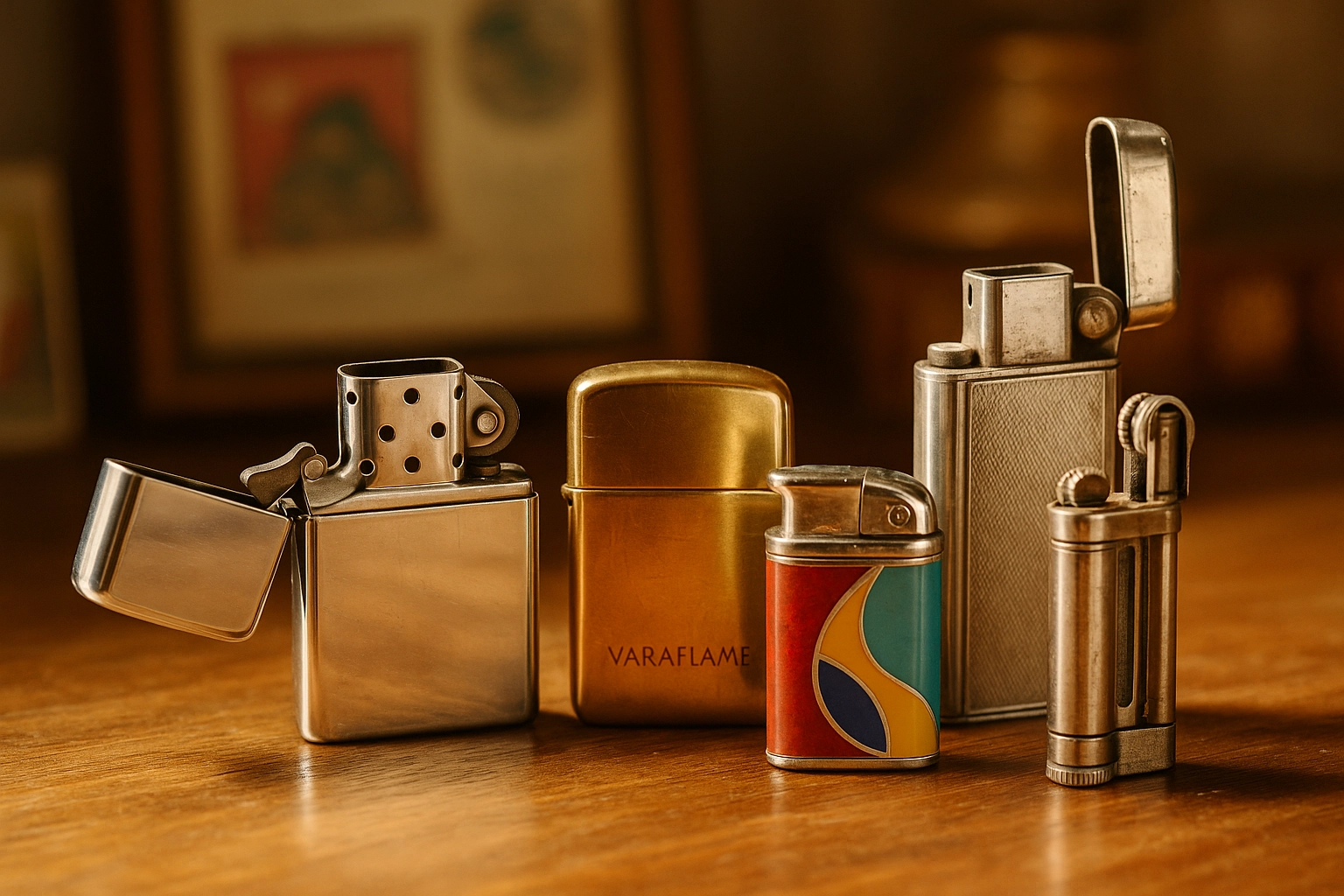
There’s something timeless about vintage lighters. These pocket-sized collectibles combine practical design, industrial artistry, and cultural nostalgia in one spark. Whether you’re captivated by the click of a Zippo, the sleek lines of a Ronson Varaflame, or the deco styling of Dunhill models, lighters vintage collectors treasure offer more than just fire they tell stories of an era.
In this post, we’ll explore the most sought-after vintage lighter brands, how to identify authentic pieces, and tips for collecting and caring for them in the UK.
A Brief History of Vintage Lighters
The origins of the lighter date back to the early 19th century, when German chemist Johann Wolfgang Döbereiner developed the Döbereiner’s Lamp in the 1820s widely regarded as the first commercial lighter. This crude device relied on a chemical reaction using hydrogen gas and platinum, and while impractical by modern standards, it laid the groundwork for future innovation.
It wasn’t until the early 20th century, however, that lighters became widely accessible and mechanically reliable. The 1910s – 1930s saw the development of the flint-wheel lighter, which used a flint striking against a steel wheel to ignite a wick soaked in petrol or naphtha. Brands such as Ronson, IMCO, and Dunhill were pioneers during this era, especially in Europe.
The Rise of Consumer Popularity
By the 1940s and 1950s, the lighter had become a cultural symbol, bolstered by the booming tobacco industry and the prevalence of smoking during and after WWII. Soldiers returning from service often brought home lighters, particularly Zippos and IMCOs, sparking renewed interest in their mechanical elegance and sentimental value.
During the 1950s–1970s, lighters evolved into personal accessories. This was the golden age of lighter design, with manufacturers focusing not just on function, but form. Chrome-plated cases, enameled art deco patterns, and precision engineering became selling points. Brands experimented with:
- Petrol-based wick ignition (used by Zippo and early Ronson models)
- Butane gas systems (introduced in the late 1940s, notably by Ronson’s Varaflame)
- Piezo-electric spark systems (adopted more widely in the 1970s and beyond)
More Than Just Tools: Lighters as Status and Style
By the mid-20th century, lighters were marketed as luxury items, fashion accessories, and even corporate gifts. Airlines like Pan Am and petrol brands such as Shell and BP issued branded lighters to staff or customers, creating an entirely new category of collectible promotional lighters. Some of the rarest lighters vintage collectors seek today are those linked to motoring, military, or aviation heritage.
In the UK, Ronson and Dunhill dominated the higher-end market, with Dunhill establishing itself as a status symbol among the upper class and Ronson leading in both domestic and export markets. Many lighters from this period are engraved, boxed, or paired with complementary items like cigarette cases or travel pouches – making them even more desirable to collectors today.
For more on the evolution of lighter design and technology, visit the Ronson History Archive or explore the Zippo/Case Museum for a global perspective.
Popular Lighter Brands Vintage Collectors Seek
The vintage lighter world is packed with design innovation, mechanical ingenuity, and brand prestige. Some names stand out for their build quality, cultural significance, and collectability. Below are the brands that dominate the vintage lighter collector market especially among UK enthusiasts.
Zippo (USA)
No list of collectible lighters would be complete without Zippo. Founded in 1932 in Bradford, Pennsylvania, Zippo became famous for its windproof flip-top design and distinctive “click” sound.
Key features collectors love:
- Military-issue models from WWII, Vietnam, and Korea – often engraved by soldiers.
- Advertising Zippos issued by oil companies, car brands, and cigarette manufacturers.
- Commemorative and limited editions, including serial-numbered releases.
How to date a Zippo:
Every Zippo has a date code stamped on its base. Collectors use the Zippo Date Code Chart to determine the production year – an essential tool for verifying age and rarity.
In the UK, wartime imports and post-war commercial releases make Zippo a firm favourite among collectors.
Ronson (UK/USA)
Ronson is arguably the most important name in the British vintage lighter scene. Founded in the US, the company began UK production in the 1930s, operating a large factory in London that continued into the 1980s.
Popular UK Ronson models include:
- Standard (1920s–1940s): Classic Art Deco styling, often chrome or brass.
- Whirlwind: Favoured by military personnel for its wind-resistant design.
- Varaflame (1950s–70s): One of the first butane adjustable flame lighters; sleek and futuristic.
Ronsons are often found with:
- “Made in England” or “Made in London” on the base
- UK patent numbers (check against historical patent listings for verification)
- Bakelite or enamel detailing – especially on earlier models
Tip: Collectors can find Ronson manuals, adverts, and servicing guides at RonsonCollector.com, a valuable resource for authenticating and dating lighters.
Dunhill (UK)
Dunhill is the Rolls-Royce of the vintage lighter world. Founded in London in 1893, the brand is synonymous with British luxury and has produced some of the finest lighters ever made.
Why Dunhill stands out:
- High-quality materials, including sterling silver, gold plate, Chinese lacquer, and mother-of-pearl inlays
- Exceptional mechanical precision, with long-lasting flint wheel and butane systems
- Often sold in presentation boxes alongside Dunhill cigars or car accessories
Dunhill’s unique serial-number system can help trace limited-run models. Many were gifted to business executives, military officers, or as diplomatic tokens making provenance particularly important for resale value.
IMCO (Austria)
IMCO (International Metal Company of Austria) is a cult favourite, especially among collectors of military and utilitarian lighters. IMCO produced some of the earliest mass-market petrol lighters starting in the 1920s, and continued until 2012.
Key identifiers:
- Tubular, metal construction
- Side-mounted flint wheels and flip-top wicks
- Popular models include the IMCO Triplex Super 6700 and Junior 6600
Although less decorative than Zippo or Ronson, IMCOs are admired for their reliability and rugged construction. Many were used during WWII and post-war military deployments in Europe and Asia.
Scripto, Colibri, and Evans
These mid-century brands offered affordable yet stylish alternatives to the big names – and have gained popularity among collectors seeking colourful or novelty designs.
- Scripto (USA): Known for their see-through butane lighters and promotional models from the 1950s–70s.
- Colibri (UK): Founded in 1928 in London, Colibri pioneered automatic ignition systems and later released ornate butane lighters with jewellery-style finishes.
- Evans (USA): Produced elegant table and pocket lighters, often paired with matching compacts or cigarette cases. Common in 1930s–50s art deco collections.
These brands are especially popular among collectors interested in advertising, mid-century modern design, or gendered marketing (e.g., “ladies’ lighters”).
Where to Research Vintage Lighter Brands Further
- Zippo Official Site
- Ronson Collector Archive
- Dunhill London
- IMCO History Overview
- Colibri of London – Still active, but maintains information on heritage models
How to Identify Authentic Vintage Lighters
For collectors of lighters vintage and rare, authenticity is everything. With reproductions and modern replicas flooding the market especially online it’s essential to know what real vintage looks, feels, and functions like. Spotting a genuine piece takes practice, but there are reliable indicators every collector should know.
Markings and Stamps: Your First Line of Verification
Start by examining the base or underside of the lighter this is where manufacturers typically placed identifying marks.
What to look for:
- Brand stamps: Names like Ronson, Zippo, Dunhill, Colibri, or IMCO should appear clearly.
- Country of origin: Most pre-1990s lighters will include “Made in England”, “Made in USA”, or “Austria” on original examples.
- Patent or design registration numbers: Especially common on UK Ronsons, which may read as “Pat. No.” or “Reg. Design No.” These can often be cross-referenced with public patent records for added assurance.
- Zippo date codes: Zippos from 1958 onwards include a unique letter-number code on the base that indicates the month and year of manufacture. Use Zippo’s official chart here: Zippo Date Code Guide
Tip: Be cautious with base stamps that appear too fresh or deeply etched – some forgeries copy stamp layouts but lack the correct font, spacing, or depth of original engravings.
Material and Weight: Trust Your Hands
Genuine vintage lighters feel different than their modern counterparts. While lighter in size than modern electronics, they were often made with quality metals and finishes – not the cost-cutting alloys used in contemporary fakes.
Genuine materials may include:
- Brass or nickel-plated brass (common in Ronson and Zippo models)
- Chrome and stainless steel
- Bakelite or Lucite for mid-century designs
- Sterling silver or gold plate on luxury Dunhill pieces
How to check:
- A real vintage lighter feels dense and balanced in the hand – even when fuel-free.
- Tap lightly: genuine metal will ring or thud softly, while cheap reproductions often sound hollow or tinny.
- Chrome or brass lighters may show natural patina, tarnishing, or wear – a good sign of age.
Functionality: Working Isn’t Always Essential, But Wear Is
Many collectors prefer working examples, especially for butane or wick-based designs. However, some lighters vintage collectors pursue – especially rare models – are still valuable even when non-functional.
What to inspect:
- Flint wheel and striker: Should show signs of wear, even if it still sparks.
Fill port and wick: May be discoloured or hardened with age, which is normal. - Hinges or flip mechanisms: These should move freely but may have some play if well-used.
Red flags:
- A supposedly 1960s lighter that looks factory-new and unused.
- Cheap replicas sealed in boxes without brand documentation or aged materials.
- “NOS” (new old stock) claims at unusually low prices – always question the provenance.
Additional Tips for Spotting Reproductions
- Compare to verified examples: Use trusted collector databases, auction listings, and forums to compare your lighter to documented originals.
- Ask for close-up photos: When buying online, request images of all sides, especially markings, internal mechanisms, and wear patterns.
- Beware of fantasy designs: Some fakes feature logos or brands never used in vintage production (e.g. mixing Zippo with Shell Oil in a style that was never issued).
Useful Resources for Verification
- Ronson Collector Guide
- Zippo Date Codes
- LighterLibrary.com – Image archives and ID help
- eBay UK Sold Listings – Study photos and pricing of verified sales
Where to Buy and Sell Vintage Lighters in the UK
Whether you’re on the hunt for a rare 1940s Ronson or looking to downsize your collection, the UK offers a rich and varied marketplace for lighters vintage collectors. From online platforms to in-person fairs, knowing where to shop – and who to trust – can make all the difference in finding authentic pieces and getting fair prices.
Online Marketplaces
Online platforms offer convenience and global reach, but they also require a careful eye. Here’s where to look and what to watch out for:
eBay UK
Still the most active platform for vintage lighters in the UK.
- Use the “sold listings” filter to gauge realistic prices.
- Look for listings with high-resolution photos of base markings, wear, and internals.
- Be wary of vague terms like “style of Zippo” or “vintage-style” – these often mean reproductions.
- Ask sellers for additional info before bidding, especially if the lighter seems too clean or underpriced.
Browse sold listings for comparison: https://www.ebay.co.uk/sch/i.html?_nkw=vintage+lighter&_sop=13
Etsy UK
More curated than eBay and ideal for mid-century and decorative pieces.
- Many sellers offer refurbished or restored lighters with new flints and wicks.
- Listings often highlight design rather than brand – good for aesthetic buyers, but do your homework if you’re chasing authenticity.
Facebook Marketplace
Useful for local pickups or bulk deals.
- Ideal for informal browsing, but less regulated – always inspect items in person before parting with cash.
- Ask for base photos, flint chamber close-ups, and a short video showing the ignition if possible.
Tip: Use search terms like “vintage petrol lighter”, “Ronson Varaflame”, or “Dunhill lighter” to narrow results.
Specialist Dealers and Auction Houses
For higher-end or rare vintage lighters, working with reputable UK auctioneers and dealers offers greater confidence and traceable provenance.
Vectis Auctions
Europe’s largest toy auction house, based in Stockton-on-Tees.
- Regularly includes vintage lighters in general collectables or estate sales.
- Listings include high-res photos and condition notes.
- Occasionally sells boxed or NOS examples from deceased estates.
Visit: https://www.vectis.co.uk
Special Auction Services (SAS)
A respected UK auctioneer with monthly vintage, decorative, and collectables sales.
- Ideal for mid-century and luxury lighters (Dunhill, Colibri, Ronson).
- Bidders can register online or attend in person.
Visit: https://www.specialauctionservices.com
Tip: Register for catalogue alerts using keywords like “lighter” or “Ronson” to stay informed of upcoming lots.
Caring for Your Vintage Lighters
To preserve value and avoid damage:
- Keep in a dry, cool place – Humidity causes rust and corrosion.
- Do not overfill with fuel – Petrol and butane can degrade seals and internal components.
- Use display cases or original boxes – Especially for higher-end models like Dunhill or pristine Ronsons.
- Clean with caution – Use a soft cloth; avoid harsh chemicals that strip chrome or patina.
Tip: Don’t try to “restore” patina or polish away scratches – many collectors prefer signs of use as part of the item’s story.
Toy & Collectors Fairs
Lighters frequently appear at vintage fairs, especially those with militaria, automobilia, or general collectables. Attending in person lets you:
- Inspect lighters up close
- Ask questions directly to dealers
- Compare authentic vs reproduction models side by side
Barry Potter Fairs
One of the UK’s largest organisers of toy and collectables events.
- Regular fairs at Sandown Park, Doncaster Racecourse, and Shepton Mallet
- Known for die-cast cars, militaria, cigarette cards – and often, vintage lighters
Find the next fair: https://www.bpfairs.com
Other Tips for UK Buyers & Sellers
- Check import/export rules: Some couriers restrict shipping of petrol or butane lighters unless drained and cleaned.
- Join UK collector groups: Try Facebook groups like Vintage Lighter Collectors UK or British Vintage Collectables for buy/sell opportunities and ID help.
- Document everything: When selling, include clear photos of all sides, markings, and internal condition. Provenance (e.g. original box or receipt) can add serious value.
Conclusion: Vintage Lighters Collectors Can’t Get Enough Of
Collecting lighters vintage enthusiasts admire is more than a hobby – it’s a blend of design appreciation, mechanical curiosity, and historical intrigue. Whether you’re after a petrol-era Ronson, a chrome Zippo with wartime provenance, or a unique advertising piece from the 60s, the UK market is full of opportunities.
As always, buy carefully, research markings, and connect with the collector community to avoid fakes and overpaying. A well-curated vintage lighter collection can offer years of enjoyment – and may even spark a little nostalgia every time you flip the lid.

Leave a Reply