
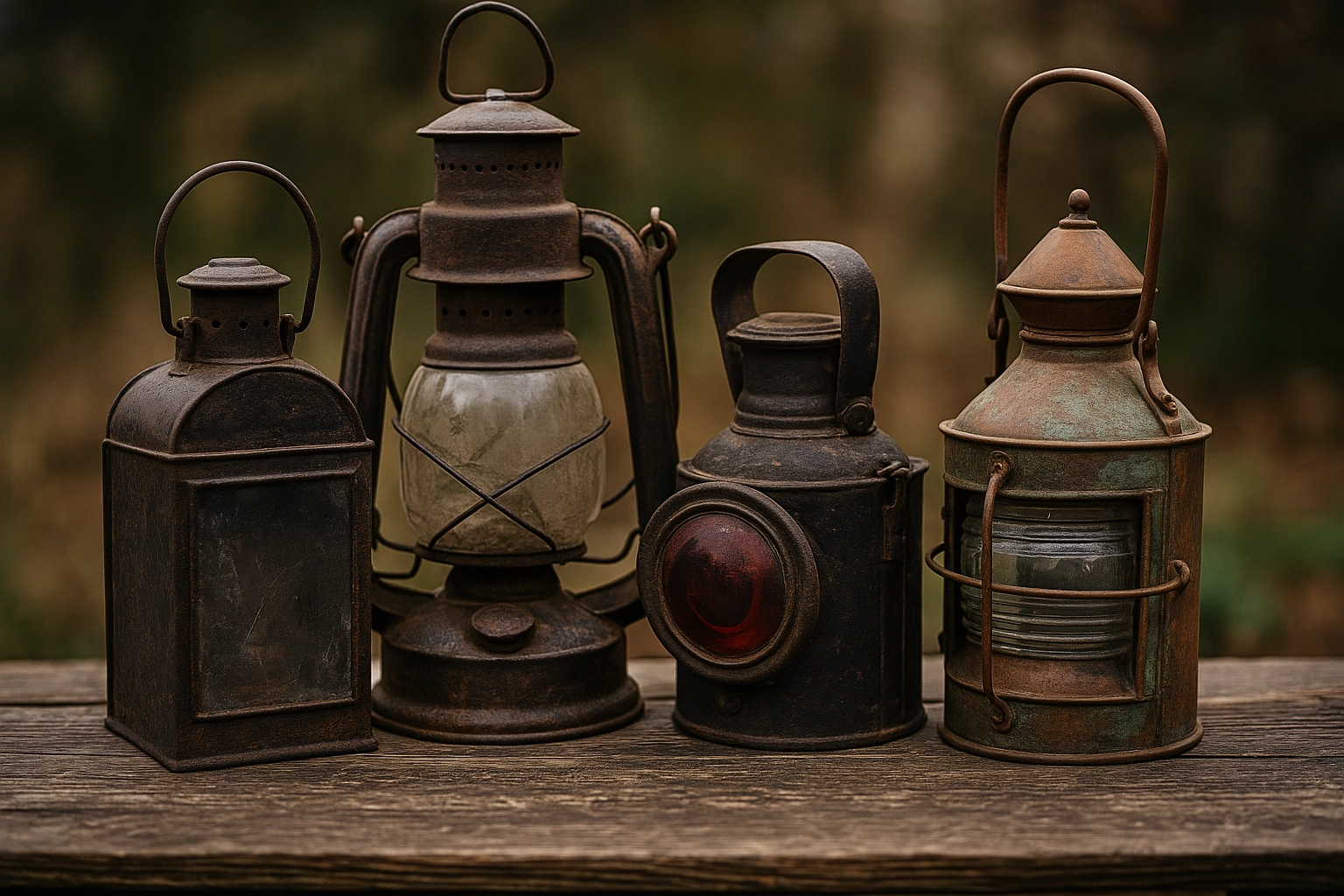
The gentle glow of an antique lantern carries more than just light; it carries history. From oil-lit railway lamps to brass ship lanterns and early street gaslights, these beautiful objects offer a window into the past and a growing opportunity for collectors.
Whether you’re fascinated by Victorian-era craftsmanship, maritime relics, or practical lighting solutions from a pre-electric world, antique lanterns can be a rewarding collectible. This guide explores everything you need to know: from types and identification to restoration and where to buy them in the UK.
A Brief History of the Antique Lantern
The history of the antique lantern stretches across centuries of craftsmanship, engineering, and social evolution. While flame-based light sources date back thousands of years, the lanterns that attract collectors today are predominantly from the 18th to early 20th centuries, with a strong focus on the Victorian and Edwardian eras.
Lanterns were not just functional, they were vital to life before widespread electricity. Their design varied depending on geography, purpose, and available materials, giving us today an incredibly diverse range of styles to explore and collect.
Early Developments in Lantern Design
Long before the industrial revolution, lanterns were basic yet essential tools. Early examples include:
Candle Lanterns (Medieval to 17th century)
- Constructed with wooden or metal frames.
- Sides were enclosed with horn, mica, or oiled paper materials that allowed light to pass through while protecting the flame from wind.
- Carried by hand or mounted on walls, these lanterns were often used in monasteries, castles, and along dark passageways.
Surviving examples are rare, though fragments are sometimes found in archaeological sites or museum collections, such as those documented by the Portable Antiquities Scheme.
Oil Lanterns (17th–19th century)
- Used vegetable oils, whale oil, or animal fat as fuel.
- Commonly found in domestic and maritime settings.
- Featured a wick mechanism and glass chimney to protect the flame.
Early British oil lanterns were often made of tinplate, brass, or copper, and typically lacked the more advanced air-flow systems of later designs.
Carbide (Acetylene) Lamps (Late 1800s–1920s)
- Introduced as a brighter, more efficient alternative to oil.
- Worked by combining water and calcium carbide to produce acetylene gas.
- Used in mining, railway signalling, and early automotive lighting.
Brands like Premier Lamp & Cycle Co. and Lucas (Birmingham) were key British manufacturers of carbide lanterns. Some excellent examples and patents can be explored via the National Archives Patent Database.
The Victorian and Edwardian Era (1837–1914): The Golden Age of Lantern Design
With the Industrial Revolution in full swing, lantern production entered a new phase defined by mass manufacturing, global trade, and increasing specialisation. This period is the heart of what most collectors today consider the antique lantern era.
Key Characteristics of the Era:
- Introduction of standardised parts and interchangeable fittings.
- Shift toward glass lenses and chimneys, improving light output and safety.
- Use of pressed tin, cast iron, brass, and enamelled metalwork in construction.
- Incorporation of coloured glass and Fresnel lenses for signalling purposes.
Common Applications:
1. Railway Lanterns
- Used by British railway companies such as Great Western Railway (GWR), London & North Eastern Railway (LNER), and Midland Railway.
- Employed coloured lenses for signalling (red, green, blue).
- Featured embossed or engraved company initials and serial numbers.
Explore railway lantern history and sales archives at Railwayana Auctions UK.
2. Maritime Lanterns
- Essential on all British maritime vessels for navigation and deck lighting.
- Constructed from heavy-duty brass or copper to resist saltwater corrosion.
- Frequently stamped with makers like Davey & Co (London) or W.T. George.
- Included port/starboard lanterns, masthead lights, and anchor lights.
Maritime lanterns often feature Fresnel lenses (named after French engineer Augustin Fresnel), which focus light into stronger, more directional beams. These lenses are prized among collectors and can be authenticated by inspecting their layered prism design.
3. Domestic and Street Lighting
- Oil or paraffin lanterns were used in homes, stairwells, and outbuildings across the UK.
- Larger versions lit city streets, parks, and railway platforms.
- Some were later converted to gaslight and, eventually, electric retrofits.
Brands like Samuel Clarke & Co., known for their “Cricklite” fairy lamps, also produced more practical oil lanterns for household use. Many such lanterns featured milk glass or etched chimneys, and are now collectible as decorative antiques.
Why Lanterns Were So Vital
Lanterns weren’t a luxury, they were an essential part of daily life. Their design reflected their intended use:
- A railway guard’s hand lantern had to be durable and visible across a foggy yard.
- A parlour lantern needed to complement the home’s décor while offering warm, steady light.
- A ship’s navigation lamp had to remain lit during stormy seas and function reliably night after night.
Their durability, varied forms, and industrial charm make antique lanterns appealing across multiple collecting niches from railwayana and nautical to domestic interiors and restoration projects.
Explore Further: UK-Based Lantern History Resources
- National Railway Museum – Collections
- Greenwich Maritime Museum – Navigation Equipment
- Victorian Web – Lighting in the 19th Century
- SalvoWEB – Architectural Salvage Listings
- British Transport Treasures – Digitised Catalogues
Types of Antique Lanterns
Collecting antique lanterns can be overwhelming without an understanding of the wide variety of forms, functions, and fuel types. Each lantern type was designed for a specific purpose whether illuminating a ship’s deck or guiding a steam train through fog and this functional diversity is exactly what makes them so appealing to collectors.
Recognising different types of antique lanterns also helps distinguish authentic pieces from reproductions or fantasy designs. Below are the most common and collectible categories found in the UK market.
Oil Lanterns
Oil lanterns are the foundation of most antique lighting collections. They were widely used across homes, farms, railways, and maritime environments from the late 1700s through the early 20th century.
Common materials:
- Brass
- Tinplate
- Wrought iron
- Steel
Key features to look for:
- Original burner assemblies, including wick adjusters and reservoirs
- Intact glass chimneys or globes, often shaped for air draw
- Soot residue or patina on interior surfaces (signs of real use)
Subtypes include:
- Hurricane lanterns – wind-resistant designs often used outdoors and on railways.
- Parlour or table lanterns – smaller, decorative models with coloured glass or enamelled details.
Collector focus:
- British-made oil lanterns from the 19th century with embossed maker’s marks such as Veritas, Hinks & Son, or Samuel Clarke & Co.
- Models issued by railway companies like LMS, GWR, or Southern Railway.
For a detailed look at antique oil lamps and lanterns, explore LampAntiques.com or search the SalvoWEB directory for UK architectural salvage listings.
Carbide Lanterns (Acetylene Lamps)
Carbide lanterns represent a more specialised collecting area but are valued for their clever mechanics and industrial history.
How they work:
- Water is dripped onto calcium carbide, creating acetylene gas.
- The gas is released to a burner jet and ignited.
- Provides a bright, white flame far superior to oil light.
Used by:
- Miners and cavers, especially in Wales and the North of England
- Cyclists and motorists from the 1890s through the 1920s
- Some early railway workers
Notable British makers:
- Lucas (King of the Road) – Birmingham-based firm that produced carbide bike lamps and miner’s headlamps.
- Premier Lamp Co. – Often marked “Sheffield” on the base.
Collector tips:
- Ensure both the water and carbide chambers are intact (many are corroded).
- Avoid relighting unless you’re experienced and understand the risks acetylene is explosive in enclosed spaces.
Learn more at VintageBikeLights.com or explore UK Mine Exploration forums for usage history.
Railway and Signal Lanterns
Among the most sought-after antique lantern types in the UK are those issued by railway companies. They served practical functions in signalling, inspection, and station use.
Key features:
- Bold colours (red, green, blue lenses for signalling)
- Enamelled finishes to prevent rust
- Company stamps or embossing (e.g., LNER, BR, Midland Railway, GWR)
- Large lifting handles, rotating lens plates, and sometimes internal oil burners
Subtypes:
- Hand signal lamps
- Guard’s van inspection lamps
- Platform lamps used in ticket offices and waiting areas
These lanterns are heavy, built to endure harsh conditions, and are often converted for electric display. Authenticity is often marked by wear, soot, and soot deflectors inside the glass housing.
Compare examples at UK Railwayana Auctions or search completed listings at Great Central Railwayana.
Maritime Lanterns
Antique ship lanterns are some of the most beautiful and robust ever made. Designed to withstand high winds, moisture, and salt air, these lanterns were functional safety devices and navigational tools.
Types include:
- Port (red) and starboard (green) running lights
- Masthead lights for forward-facing visibility
- Stern lanterns for rear-facing illumination
- Anchor lanterns, often hanging from a central mast
Common materials:
- Heavy-gauge brass or copper
- Thick Fresnel lenses, often prismatic to enhance distance visibility
- Watertight housings with hinged doors or screw caps
Top British makers:
- Davey & Co (London) – Still active and supplying high-quality marine fixtures.
- W.T. George & Co.
- Perko (originally US, but widely used in British merchant fleets)
Collector tips:
- Check for ship registry plates, maker’s marks, or Admiralty issue numbers.
- Brass versions are more desirable than modern painted steel reproductions.
Browse active suppliers and restorers at Davey & Co or consult National Maritime Museum Collections.
Street and Domestic Lanterns
Often overlooked but highly decorative, these lanterns lit streets, outbuildings, and homes before the electric era.
Street Lanterns:
- Usually cast iron with frosted or prismatic glass.
- Found mounted on posts or wall brackets, especially in towns and railway approaches.
- Some converted to gas in the late 1800s, and later to electricity in the 20th century.
Domestic Lanterns:
- Mounted inside homes, stairwells, or porches.
- Decorative scrollwork, coloured glass panels, or etched frosted chimneys.
- Known brands include Clarke’s Cricklite, Veritas, and Hinks.
Modern uses:
- Repurposed as porch or hallway lighting using LED retrofit kits.
- Displayed in pubs, farmhouses, or railway-themed interiors.
For examples and restorers, see UK Architectural Heritage or browse domestic lantern categories on Etsy UK.
Look for Use-Specific Wear
Each type of lantern reveals its history through its wear patterns:
- Railway lanterns often have soot buildup and bent guards from rough use.
- Maritime pieces may show verdigris (green oxidation) or salt pitting.
- Carbide lamps typically have residue or corrosion in the fuel chamber.
Understanding this can help authenticate an antique lantern and offer clues about its intended use and previous owners.
Identifying a Genuine Antique Lantern
In a market increasingly filled with reproductions, decorative replicas, and fantasy pieces, knowing how to identify a genuine antique lantern is essential for collectors. Fortunately, authenticity leaves clues through materials, markings, construction methods, and signs of use. This section walks you through how to examine a lantern’s build, provenance, and historical credibility with an eye trained on the UK market.
Check the Materials
Most antique lanterns, especially those made between 1800 and 1930 were constructed from materials that were durable, repairable, and practical for their environment. These include:
Original Materials to Expect:
- Brass – Common in maritime and high-end domestic lanterns due to its corrosion resistance.
- Copper – Also maritime, often with riveted construction.
- Cast iron – Found in street and railway lanterns; typically painted or enamelled.
- Tinned steel or tinplate – Especially for railway, workshop, and military uses.
- Mica or early blown/frosted glass – Used in place of modern transparent panes.
- Wrought iron or steel handles, hinges, and support brackets.
Reproductions often substitute aluminium, lightweight pressed steel, or chrome-plated alloys to cut cost. Some even use plastic “glass” instead of real panes. These are immediate red flags, especially in supposed pre-1950s pieces.
Resource: Use comparison galleries on SalvoWEB or UK Architectural Heritage to study materials and finishes.
Look for Maker’s Marks and Identifying Stamps
Most lanterns that served a public or industrial function railways, ships, municipal lighting were stamped with a maker’s name, model number, or operating company logo.
Examples of Authentic Markings:
- “British Railways”, “LNER”, “GWR”, “SR” – embossed on bases, domes, or reservoir caps.
- “Davey & Co London” – common on ship lanterns, often engraved near the lens.
- “Premier Lamp & Cycle Co. Sheffield” – found on carbide lanterns and miners’ lamps.
- Registered Design Numbers – typically in the format “RD 123456”, stamped onto the housing. Cross-reference using the UKIPO Design Registry.
If the lantern lacks all identifying marks or the markings appear laser-etched or overly modern, be cautious. Authentic engraving will often show wear, slightly uneven pressure, or be accompanied by corrosion patterns in hard-to-fake areas.
Tip: Use a jeweller’s loupe or macro lens to check for fine stamping irregularities and patina around lettering.
Assess Wear, Patina, and Use Indicators
Signs of genuine age and service use are often the strongest proof of authenticity. Unlike polished reproductions, a real antique lantern should show layered evidence of time and handling.
Signs of honest use:
- Soot build-up inside the chimney or globe housing
- Discoloured wick chambers, burner soot, or heat-mottling near the flame source
- Oxidised brass or copper (verdigris patina) in crevices and around rivets
- Wear and denting consistent with utility particularly on railway or military lanterns
Signs of artificial ageing:
- Sanded edges with no consistent wear pattern
- Uniform “brushed metal” effect across the whole piece
- Burn marks or soot applied over pristine fittings
- Fake rust or chemical ageing on visibly modern construction
Reference photos from auction archives like Vectis Auctions or Railwayana Auctions UK for what authentic use looks like across different lantern types.
Understand Period Construction Techniques
How a lantern is put together also tells its age. Authentic antique lanterns will often feature:
- Hand-soldered joints or riveted seams (not spot-welded)
- Folded metal tabs instead of modern machine-pressed clips
- Thumbscrew burner access or lift-off domes, not magnetic or snap-fit lids
If the lantern has Phillips screws, pop-rivets, or components with zero patina on internal parts, it likely isn’t original or has been restored with modern materials.
Compare technical diagrams and restoration tips at Lighter & Lantern Collector Resources UK and niche forums like Preppingsurvival.com’s lantern thread.
Use Online Forums and Collector Groups
There’s no substitute for comparing with known-good examples or asking experts. Try posting photos (with close-ups of markings, base, wick area, and hardware) in:
- Reddit r/AntiquesUK
- Railwayana Collectors UK Facebook Group
- British Vintage Collectors Network on Facebook
- National Lamp & Lantern Collectors (US-based but informative)
When in Doubt: Ask for Provenance or In-Person Review
If buying from a seller or dealer, ask for:
- Origin (estate sale, salvage, railway archive, etc.)
- Close-ups of any engraving, wick housing, and hardware
- Side-by-side images with other period lanterns (if they sell more)
For higher-value pieces, consider authentication by a railwayana or marine auction house, or schedule a viewing at one of the UK’s vintage and transport fairs.
Restoration and Care of Antique Lanterns
Restoring and maintaining antique lanterns is both a science and an art. Some collectors prefer their lanterns in untouched, patinated condition; others choose to clean, restore, or retrofit them for modern use whether for atmospheric home lighting or safe display in a collection.
Regardless of your approach, the goal should always be preservation over perfection. Over-cleaning or replacing too many original elements can reduce both historic value and collector interest. Here’s how to handle your antique lantern with respect and care.
Basic Cleaning and Preservation
Before doing anything invasive, assess the lantern’s condition. A gentle clean may be all that’s needed to bring out its character without removing the signs of history.
Cleaning Tips:
- Use microfibre cloths, soft-bristle brushes, or cotton swabs to remove surface dust and grime.
- Warm water with a drop of mild dish soap is usually sufficient. Avoid soaking especially if parts are riveted or soldered.
- Avoid wire brushes, scouring pads, or chemical cleaners unless dealing with rust or paint that is already flaking.
- For brass or copper lanterns, use Brasso or Peek metal polish very sparingly and never polish areas with original maker’s marks, as this could wear down detail.
Tip: If the lantern has enamel or painted surfaces, treat them as you would vintage signage, do not scrub, and avoid heat or solvents.
Rust Removal (for Iron Lanterns):
- For surface rust, use 0000-grade wire wool or a vinegar-soaked cloth, followed by wax or oil to prevent further oxidation.
- Boiled linseed oil or Renaissance Wax can be applied as a protective finish.
For additional preservation guidance, see The Ironmongers’ Company: Historic Metalwork Care.
Replacing or Repairing Glass Components
Broken or missing glass is common in antique lanterns, but many parts are still replaceable thanks to the standardisation of early lantern design.
Types of Replacement Glass:
- Roundels or signal lenses for railway lanterns (often red, green, blue)
- Hurricane globes (clear or frosted) for oil or storm lanterns
- Flat panes or mica sheets for wall-mounted and domestic lanterns
Where to Buy in the UK:
- The Lampworks – Offers glass chimneys, burner fittings, and restoration hardware.
- Lantern Restorers UK – Specialises in hurricane and railway lantern refurbishment.
- SalvoWEB – Lists salvage yards and suppliers of reclaimed architectural lighting components.
- Northern Lighting Co. – Supplies traditional oil lamp parts and replacement glass.
When sourcing replacements, always measure the original fittings carefully and check compatibility with the period or type of lantern.
Making Antique Lanterns Safe for Use
If your aim is to safely light your antique lantern for atmospheric use indoors or as garden decor it’s essential to adapt it without compromising safety or authenticity.
Options:
- Candle Conversion
- Suitable for large-bodied oil lanterns or those without wiring.
- Use tea lights in glass cups or pillar-style LED flameless candles to replicate the effect safely.
Ensure the interior is heat-resistant and well ventilated.
- Electric Conversion
- Fit vintage-style LED filament bulbs to replicate the warm glow of oil without the fire risk.
- Use low-wattage bayonet or E14 screw cap bulbs in converted railway or domestic lanterns.
- Hide wiring using vintage-style braided flex for authenticity.
Important: If you plan to wire an antique lantern into the mains, consult a qualified electrician. Older metal fixtures may not be earthed or insulated, and incorrect modifications can pose fire or shock risks.
- Recommissioning for Fuel Use
- Clean out all old oil, wicks, and soot before reusing with paraffin or lamp oil.
- Test burn only outdoors with close supervision.
- Replace seals and wicks with modern equivalents from trusted lamp part suppliers.
Never attempt to burn unverified residues some may be contaminated with flammable buildup or hazardous materials.
Storage and Long-Term Care
If you’re not displaying or using your lantern immediately, proper storage can prevent corrosion and damage.
Storage Tips:
- Store in a dry, temperate environment moisture will rust steel and corrode brass.
- Use acid-free tissue or cloth wrap to prevent scratching when stored in boxes.
- For high-value items, consider silica gel packets to manage humidity.
Ethical Restoration vs Over-Restoration
There’s a fine line between tasteful restoration and over-cleaning. As a rule:
- Preserve original finishes where possible
- Replace only what’s missing or unsafe
- Document any changes made especially if selling later on
Tip: Always photograph your lantern before restoration. This maintains its historical narrative and gives buyers or curators reference points if needed.
Useful UK Restoration & Advice Resources:
- Lantern Restorers UK
- The Lampworks
- Historic Lighting Restoration Guide – English Heritage
- National Trust – Conservation of Historic Fixtures
Where to Buy Antique Lanterns in the UK
Whether you’re after a soot-streaked railway handlamp or a brass maritime lantern worthy of display, knowing where to buy authentic pieces is crucial. The UK market is rich with sources from online platforms and architectural salvage dealers to in-person fairs and specialist auctions.
But with opportunity comes risk: reproductions, fantasy pieces, and heavily restored lanterns are increasingly common. A genuine antique lantern often has value tied to its maker, provenance, and condition so always do your research, ask questions, and where possible, inspect in person.
Online Marketplaces
Online platforms give collectors access to a wide selection of lanterns across styles and eras. But due diligence is essential especially with listings that lack close-ups or clear descriptions.
eBay UK
One of the most active marketplaces for antique lanterns. Ideal for:
- Railway lanterns (search “GWR lamp”, “BR handlamp”, etc.)
- Ship lanterns with brass or copper fittings
- Victorian and Edwardian street or domestic lanterns
Tip: Use keywords like:
- “antique railway lantern UK”
- “Victorian oil lamp street light”
- “naval brass lantern fresnel lens”
Always ask sellers for:
- Clear photos of bases, fittings, and fuel compartments
- Images of any stamps or markings
- Measurements (many lanterns appear larger in photos than they are)
Etsy UK
Etsy offers more curated selections, often from boutique restorers and antique shops. Pieces tend to be cleaned or lightly restored, making them suitable for interior use.
Search for:
- “Antique ship lantern UK”
- “Restored Victorian lantern”
- “Converted railway lantern lamp”
Pros:
- Many sellers include restoration details
- Often photographed in home settings for scale
SalvoWEB
An architectural salvage directory used by interior designers, restorers, and collectors. You’ll find antique street lanterns, gas lamps, and reclaimed ironwork.
Features:
- Dealer profiles and contact info
- Filters by region and type
- Frequent updates from UK salvage yards
Vinterior
A curated platform for higher-end vintage interiors. Prices are steeper but often reflect careful restoration or provenance.
Search for:
- “Victorian outdoor lantern”
- “Antique gas lamp”
- “Brass maritime light UK”
UK Auction Houses
For serious collectors, auctions can be an excellent source of authentic lanterns, especially railway, marine, and industrial types. You’ll often find items with traceable provenance or original issue documentation.
Vectis Auctions
Mostly known for toys, but includes railwayana and militaria sales that feature handlamps, signal lamps, and miners’ carbide lanterns.
Bonhams & Sworders
Both host decorative arts and estate auctions where antique lanterns appear especially if part of transport or nautical collections.
- Bonhams: Watch for their “Marine & Maritime” or “Collectables” sales.
- Sworders: Regular “Homes & Interiors” auctions often include decorative lanterns.
Railwayana Auctions UK
This specialist auctioneer deals exclusively in British railway memorabilia. Frequent sales include:
- GWR and LNER signal lamps
- Platform and guard’s van lanterns
- Station lighting with enamel shades
Antique Fairs & Markets
Buying in person gives you the chance to physically inspect the lantern vital when evaluating wear, authenticity, and function. Bring gloves and a torch to examine burner assemblies, hinges, and markings closely.
Top UK Fairs with Lantern Sellers:
- Kempton Park Antique Market – Regularly includes dealers in architectural and industrial salvage. sunburyantiques.com
- Newark Antiques Fair – One of the UK’s largest; excellent for general vintage lighting and railway collectibles. iacf.co.uk/newark
- Barry Potter Fairs – Especially strong on toy and transport-related lighting (railway and motoring). barrypotterfairs.com
Tip: Go early for the best finds, or attend on later days for bargaining opportunities.
Final Buying Tips for Collectors
Whether you’re shopping online or in person, always:
- Request provenance – Even a basic seller story adds context and trust.
- Ask for close-ups – Especially of base markings, fuel caps, lenses, and chimney brackets.
- Bring a torch – Examine for rust inside fuel compartments or burner systems.
- Use gloves – Oils from your hands can damage patina, especially on brass or copper.
- Compare pricing – Look at sold listings on eBay and auction results to gauge fair market value.
For a guide to what authentic railway lamps should look like, consult past catalogues at Great Central Railwayana.
Displaying and Using Antique Lanterns
Antique lanterns offer more than historical interest; they bring atmosphere, craftsmanship, and character to modern spaces. Whether used indoors or outdoors, they create a visual link to the past that works beautifully in rustic, industrial, and heritage-style interiors. When displayed with care and authenticity, these pieces can be both aesthetic and functional.
Creative Display Ideas for Antique Lanterns
1. In Vintage Interiors:
- Railway lanterns look strikingly mounted on reclaimed timber beams, metal brackets, or displayed on a mantlepiece beside other industrial items like gauges or signage.
- Carbide lamps from mines or bicycles work well as conversation pieces on shelves or in display cases, especially when paired with other early 20th-century tools.
- Street or domestic lanterns, often in cast iron with frosted glass, suit entrance halls or stairways in period homes.
Tip: Pair lanterns with antique hooks, wrought iron wall brackets, or salvaged architectural elements from SalvoWEB to keep displays authentic.
2. In Garden or Outdoor Spaces:
- Ship lanterns or port/starboard navigation lights in brass or copper work well in conservatories, garden rooms, or on patios.
- Storm lanterns can be hung from shepherd’s hooks, tree branches, or pergolas to provide subtle evening lighting.
- Converted oil lanterns can be used on garden tables with battery or LED candles to avoid open flames.
Be sure to weatherproof or shelter any display lantern not built for long-term outdoor use.
Safe Use and Rewiring for Modern Settings
Many collectors want their antique lanterns to work as lights again but modernising them should always be done with care and sensitivity to the original design.
a. Electric Rewiring:
If converting a fuel-based lantern to electric:
- Use vintage-look fabric cables to keep aesthetics in line with the lantern’s age (e.g., braided cotton cords in black or brown).
- Fit with low-wattage LED bulbs to minimise heat buildup and reduce fire risk especially for enclosed globes or glass domes.
- Choose bayonet or Edison-style bulbs with a warm colour temperature (~2200–2700K) to replicate the soft glow of a flame.
For safe rewiring:
- Remove all traces of fuel, wick, or soot before installing electrical parts.
- Consider inserting a bulb holder on a removable plate, so the original design isn’t permanently altered.
- If you plan to plug into mains power, consult a qualified electrician especially if using metal-bodied lanterns which must be correctly earthed.
For wiring parts and advice, visit UK suppliers like The Lampworks or Dowsing & Reynolds.
b. Candle Conversion:
If you prefer not to wire the lantern:
- Use battery-powered LED tea lights or faux flame candles to recreate flicker safely.
- Alternatively, use enclosed glass votives to hold wax candles but only if the lantern is stable and vented.
- Never use paraffin or oil in unrestored lanterns with unknown residue or degraded seals.
Common Pitfalls to Avoid
1. Modern Reproductions Disguised as Antique
Many so-called “antique-style” lanterns sold on online marketplaces or at flea markets are mass-produced in Asia from aluminium and acrylic. These may look aged but have:
- Laser-cut parts
- Screw-in fittings not found in originals
- No maker’s marks, patent numbers, or signs of actual use
If in doubt, compare with authentic listings at Railwayana Auctions UK or in collector forums such as r/AntiquesUK on Reddit.
2. Over-Restoration
Be wary of lanterns that have been:
- Sandblasted to bare metal and repainted
- Fully polished to a mirror finish
- Stripped of their fuel systems or original burners
While they may look clean, these lanterns often lose much of their historical value. Collectors typically prefer patina, minor wear, and honest use over showroom shine.
Tip: If buying for resale or long-term value, avoid over-modified pieces unless they come with detailed restoration notes and original parts.
3. Unmarked or Fantasy Pieces
If a lantern looks period-authentic but has:
- No markings
- A suspiciously “new” feel
- Parts inconsistent with known designs (e.g. plastic lenses, machine screws, or clear glue residue)
…it may be a fantasy piece or modern decorative item. These can still be charming, but should be priced accordingly not sold as antiques.
Resources for Comparing Authentic Lanterns
Before purchasing, take time to browse real examples to learn the hallmarks of genuine pieces:
- UK Railwayana – Archived listings with prices and photos
- Vectis Auctions – Includes railway, military, and vintage homeware auctions
- SalvoWEB – Trusted UK architectural salvage directory
- r/AntiquesUK on Reddit – Helpful community for appraisals and spotting fakes
Let History Light the Way
The antique lantern is more than a lighting device it’s a beacon of history. Whether it once hung in a railway yard, guided a ship through fog, or lit a country lane, each lantern has a story to tell. Collecting these pieces connects you to eras of innovation, exploration, and craftsmanship.
For UK collectors, the joy lies not only in the glow of the lantern but in the hunt for authenticity, the satisfaction of restoration, and the warmth of preserving something truly timeless.


Leave a Reply