
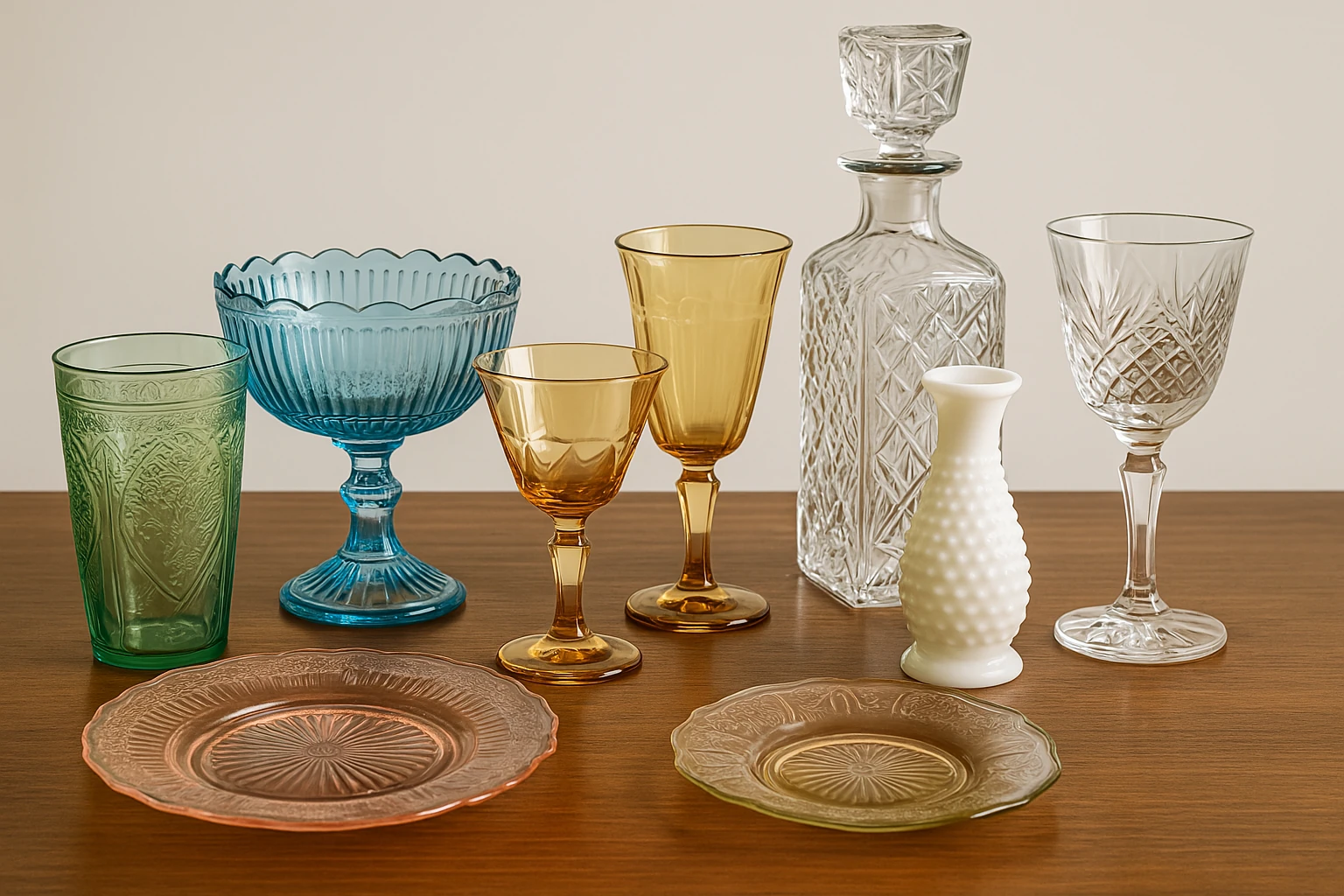
Vintage glassware is much more than an aesthetic pursuit-it offers a window into the social history, design trends, and manufacturing methods of the past. From everyday utility to refined decorative art, each piece of glass reflects the materials, technology, and cultural priorities of its time. Whether mass-produced in the factories of the Industrial Age or hand-finished in artisan studios, vintage glass tells a story worth exploring.
In the UK, this history is particularly rich. Britain was once home to a thriving glass industry, with production hubs in Stourbridge, Sunderland, and Edinburgh contributing to everything from tableware to scientific glass. Post-war imports and European influences further expanded the style and availability of glassware in British homes, blending domestic craftsmanship with international design movements.
For collectors, buyers, and enthusiasts alike, the appeal of vintage glass lies not only in its form and colour but also in its provenance. Who designed it? Which factory made it? What purpose did it serve in everyday life? Understanding these elements turns simple acquisition into meaningful curation.
Why Study Vintage Glassware?
Learning about vintage glassware is essential if you want to:
- Avoid modern reproductions or fakes
- Accurately assess condition, rarity, and market value
- Understand design influences and production techniques
- Build a collection that reflects your interests and holds long-term value
Many pieces of vintage glass carry clues about their origin-maker’s marks, distinctive patterns, colour tints, or mould lines. With experience, these details become more visible and telling, allowing you to date and value items with greater accuracy.
What This Guide Covers
This guide provides a comprehensive introduction to collecting vintage glassware, covering:
- Major types and styles of vintage glass, including key periods, manufacturers, and distinguishing features
- Identification techniques for recognising patterns, finishes, and hallmarks
- Valuation tips, including what affects price, what’s trending, and where to buy or sell in the UK
- Collection strategy, from sourcing and budgeting to display and insurance
- Care and preservation, including cleaning, storage, and damage prevention
Each section includes links to trusted resources, such as museum archives, auction databases, and UK-based collector communities to help you expand your knowledge and avoid costly mistakes.
Recommended Resource
🧠 The Corning Museum of Glass – While US-based, this museum offers one of the most comprehensive online catalogues of historical and decorative glass. Their searchable database is an excellent starting point for identifying global styles and understanding production history.
If you’re UK-focused, also check out:
- 🔍 The Glass Society – An active UK organisation for collectors and scholars of historical and contemporary glass.
🏛️ The Victoria and Albert Museum – Glass Collection – View examples of British and European glass from various centuries, including Art Deco and modernist movements.
What Is Considered Vintage Glassware?
In the UK, “vintage glassware” typically refers to domestic and decorative glass items produced from the late Victorian period through to the 1980s. While the term “vintage” is often used loosely in the antiques trade, it generally covers items that are at least 30–40 years old but not quite “antique” (which, by definition, means over 100 years old).
This broad time frame captures the transition from hand-crafted glassmaking to mechanised production, from ornate Edwardian forms to the clean lines of post-war design. Whether made in the glassworks of Stourbridge, the art glass studios of Scotland, or imported from European or American manufacturers, vintage glassware reflects not only changing tastes but also technological advancement and shifts in social culture.
Collectors and enthusiasts in the UK typically encounter several key styles and categories:
1. Victorian and Edwardian Pressed Glass (late 1800s–early 1900s)
Pressed glass was widely produced in Britain during the late 19th and early 20th centuries as an affordable alternative to hand-cut crystal. Items such as cake stands, oil lamps, butter dishes and tumblers were commonly made for everyday use in middle- and working-class homes.
- Key areas: Stourbridge, Sunderland, and Manchester glasshouses.
- Design features: Repeating floral or geometric moulded patterns, thick construction.
- Common colours: Clear, green, blue, and amber.
🔗 More info: Glass Association UK – a helpful resource on British glassmaking history.
2. British Art Glass (1920s–1970s)
Art glass refers to decorative, often handmade pieces such as vases, bowls, and sculptures. British studios like Whitefriars, Mdina (Malta, but founded by British glassmaker Michael Harris), and Isle of Wight Studio Glass played major roles in shaping this movement post-WWII.
- Notable makers:
- Whitefriars Glass (especially Geoffrey Baxter’s textured ‘Bark’ vases)
- Mdina Glass (vibrant swirls and abstract shapes)
- Caithness Glass (renowned for paperweights and smaller decorative pieces)
- Designs: Swirled colour, organic shapes, tactile textures.
🔗 Explore: The Whitefriars Glass Collectors Group
3. Milk Glass and Opalware (Victorian–1960s)
In the UK, milk glass-an opaque white or pastel-coloured glass-was used for vanity sets, vases, and decorative bowls. Though less mass-produced than in the US, it remains collectible, especially when marked by known makers.
- Also known as: Opal glass or opalware.
- Uses: Lighting, perfume bottles, trinket boxes.
- Look out for: Thomas Webb and Sowerby pressed opal glass from the late 19th century.
🔗 Resource: Sowerby Glass history at 20th Century Glass
4. Carnival Glass (Early 20th century)
Although originating in the United States, carnival glass was also produced in the UK by companies such as Sowerby, Davidson and Greener. Known for its iridescent surface created through metallic oxide coatings, this type of glassware was popular in both decorative and tableware forms.
- UK makers: Sowerby (Newcastle), Davidson (Gateshead).
- Common colours: Marigold, amethyst, blue, green.
- Collectible forms: Dishes, vases, comports, butter dishes.
🔗 Carnival Glass UK Resource: Glen & Stephen Thistlewood’s Carnival Glass Network
5. Post-War and Mid-Century Modern Glass (1940s–1980s)
This era introduced bolder colours, abstract forms, and a move towards Scandinavian influence. Tableware and barware were popularised by companies like Dartington and Ravenhead, and continental imports became widely available in UK shops.
- British names to know:
- Dartington Glass – timeless crystal and coloured glassware
- Ravenhead Glass – mass-produced drinkware and kitchen glass, ubiquitous in UK homes
- Kings Lynn Glass (Ronald Stennett-Willson) – modernist designs and cased colour
- International influence: Holmegaard (Denmark), Riihimäki (Finland), and Murano (Italy) imports were popularised by UK retailers like Habitat.
🔗 Further reading: Dartington Crystal History
How to Identify Vintage Glassware
Accurate identification is a crucial skill for anyone collecting or buying vintage glassware. It helps prevent costly mistakes, distinguishes authentic pieces from reproductions, and reveals the historical and design significance of each item.
When evaluating a piece, consider the following elements:
🔍 1. Manufacturer’s Marks
Many glassmakers left subtle markings that can help pinpoint the origin and date of production. These marks are typically found on the base, foot, or stem of the item. However, not all vintage glassware is marked-particularly pieces made before the 1930s or by smaller studios.
Common American marks include:
- F – Fenton Art Glass (often in an oval)
- H in a triangle – Hazel-Atlas Glass Company
- W in a circle – Westmoreland Glass Company
In the UK and Europe, manufacturer marks may be acid-etched, engraved, or included on paper labels (many of which wear off over time). Look for:
- Thomas Webb & Sons – often acid-etched “Webb”
- Edinburgh Crystal – etched hallmark with the name or logo
- Stuart Crystal – etched script “Stuart” or a monogram
🔗 Useful Tool: Glass Bottle Marks – Makers Identification Guide
While US-centric, this guide is invaluable for cross-referencing marks found on both utility and decorative glass.
🌀 2. Pattern Recognition
Many vintage glassware lines were part of coordinated sets-dinnerware, drinkware, serving pieces-released under specific pattern names. Recognising these patterns can narrow down the date and manufacturer.
For example:
- “American Sweetheart” by MacBeth-Evans (Depression glass)
- “Norse” by Whitefriars (UK, 1960s textured range)
- “Thistle” by Edinburgh Crystal (popular mid-century cut pattern)
Collectors often rely on visual memory and reference images, so having access to well-documented pattern libraries is essential.
🔍 Research Tools:
- 📘 Replacements Ltd – Pattern Search
Ideal for identifying dishware, stemware, and barware by image or name. - 🗂️ Glass Lovers Glass Database
Free visual reference covering thousands of US patterns, many with UK imports overlap.
🎨 3. Colour and Finish
The colour and surface finish of glass can be a strong indicator of age and type. Manufacturers often used specific hues during particular periods, or to imitate more expensive finishes.
Examples:
- Pink, green, or amber Depression glass – commonly produced during the 1920s–1930s
- Iridescent finishes – point to Carnival glass, originally given as fairground prizes in the early 20th century
- Deep cobalt blue or ruby red – popular in mid-century and pressed tableware
- Clear, high-clarity crystal – often points to Elegant glass (1920s–50s) or lead crystal
💡 Tip: Carnival glass is pressed and coated with metallic salts to give it a rainbow-like sheen. Not to be confused with iridised art glass like Tiffany or Loetz.
⚒️ 4. Production Technique
The way glass is made leaves distinct signs you can use to determine its age and quality.
Technique
Indicators
Common Periods
Pressed Glass
Mould seams, uniform patterns, heavier feel
19th century onwards
Hand-blown Glass
Pontil mark on base, bubbles, asymmetry
Pre-1930s; studio glass post-1950s
Cut Glass
Sharp, deep cuts; sparkle under light
Victorian to early 20th century
Mould-Blown
Combination of mould shaping and hand finishing
Widely used 1880s–1940s
Glass made using older, more labour-intensive methods tends to be more valuable-especially if in good condition.
📖 Further Learning and Resources
- 🏛️ The Glass Society (UK) – Offers lectures, reference materials, and identification help for collectors.
- 📚 “Miller’s Collectables Handbook & Price Guide” (UK edition) – Updated annually, useful for glass valuation and ID.
- 🗂️ 20th Century Glass – A UK-based vintage glass dealer with excellent educational pages and visual guides by country, colour, and type.
Next Steps: Once you’ve mastered the basics of identification, you’ll be better equipped to evaluate condition, rarity, and potential resale or display value. Up next, we’ll explore how to determine the true value of a vintage glassware item.
What Makes Vintage Glassware Valuable?
The value of vintage glassware is shaped by several key factors, including rarity, condition, brand recognition, completeness, and current market trends. Understanding these elements will help you make informed decisions whether you’re looking to buy, sell, or simply appreciate vintage glass as an investment or collectible.
1. Rarity
Rarity plays a significant role in determining the value of any collectible, and glassware is no different. Pieces produced in limited quantities or in unusual colours are often the most desirable to collectors.
Key examples of rare pieces:
- Depression Glass in Unusual Colours: While pink, green, and amber are common, rare hues like lavender or cobalt blue tend to fetch higher prices.
- Unique Production Runs: Glassware made in limited editions, or special designs for events (e.g., commemorative glassware for royal occasions), are often more valuable.
- Small-Batch Studio Glass: Handmade glass from small UK studios, such as Caithness or Isle of Wight Glass, is sought after for its individuality and limited production runs.
💡 Tip: Items in unusual colours or with special features (such as frosted finishes or etching) will typically be rarer and thus more valuable.
🔗 Further Reading: The Glass Society – Rarity Factors
2. Condition
The condition of a piece is arguably the most important factor in determining its value. A piece of vintage glassware in excellent condition will always command a higher price than one with visible damage.
Factors affecting condition:
- Chips: Even a small chip on the edge can significantly lower a piece’s value.
- Clouding/Discolouration: Over time, exposure to light or improper storage can cause glass to cloud or yellow. This is particularly problematic for clear glass or crystal.
- Cracks: Visible cracks are the most detrimental, as they make the piece unsafe for use and reduce its collectability.
- Wear: Signs of heavy use, such as worn patterns, fading colours, or scratches, can also impact value.
🧽 Care Tip: Always store glassware away from direct sunlight and ensure it is handled carefully. Clean vintage glass using a gentle, non-abrasive cleaner.
🔗 Useful Resource: UK Antiques Roadshow Condition Guide – Offers tips on evaluating condition and assessing the impact of wear on value.
3. Brand Recognition
The reputation of the maker can drive up the value of a piece of vintage glass. Renowned manufacturers often produced high-quality glassware that remains in demand today. Collectors tend to value these items more highly due to their association with craftsmanship and historical significance.
Brands that command higher prices in the UK include:
- Fostoria: Known for its elegant glass and highly collectible patterns, such as the “American” and “Baroque” collections.
- Heisey: Popular for its crystal glassware, especially etched designs and their famous “Empress” and “Criss-Cross” patterns.
- Blenko Glass: A leader in mid-century modern designs, particularly colourful glass vases and bowls.
These companies are recognised for their long-standing commitment to quality, and their pieces are typically more valuable on the second-hand market.
💡 Tip: Look for maker’s marks or signatures. Even partially visible marks can help you trace a piece back to its manufacturer.
🔗 Further Reading: The Fostoria Glass Society of America – Provides detailed information on identifying Fostoria glass and its value.
4. Completeness
Vintage glassware sets that include all original pieces-matching lids, bases, and accompanying items-are worth more than individual items. Collectors often seek complete sets to recreate the full original look or as part of thematic collections (e.g., tea sets, barware sets).
- Matching Sets: A complete tea set with matching cups, saucers, and a teapot, or a full barware set with tumblers, decanters, and ice buckets.
- Special Accessories: Lids, stoppers, trays, or original labels that came with the original set. These add value, as they often become separated or lost over time.
💡 Tip: Try to find pieces that still have the original labels or tags, as these can increase desirability and price.
🔗 Explore: Antiques Atlas – How to Buy Vintage Glassware
5. Current Trends
Market trends can significantly impact the value of certain types of glassware. What was once popular may fall out of favour, while items that were previously overlooked can suddenly become trendy again. Understanding current trends in the market can help you target high-demand pieces.
Hot trends in the vintage glass market include:
- Mid-Century Barware: With the resurgence of retro cocktail culture, mid-century modern glassware-particularly decanters, highball glasses, and tumblers-has seen an increase in value. Brands like Dartington and Royal Worcester are sought after for their iconic designs.
- Minimalist Milk Glass: Simple, white glassware such as Fire-King and Anchor Hocking milk glass, popular in the 1950s and 1960s, is making a comeback among collectors and interior designers.
- Art Deco Glass: Art Deco-inspired glassware, with geometric patterns and bold, streamlined designs, has been enjoying a resurgence in recent years.
💡 Tip: If you’re investing in vintage glassware, keep an eye on modern interior trends, as glassware often follows fashion cycles in home décor.
🔗 More Info: The Antique Glass Collectors’ Society – Trends & Value – An excellent resource for understanding trends and value in the glassware market.
Use Online Marketplaces for Comparisons
If you’re unsure about the value of a piece, online marketplaces are invaluable for finding comparable items. You can use sold listings to gauge the market value of similar items.
- eBay Sold Listings: Search the completed listings to see how much similar vintage glassware has recently sold for. Keep an eye on the item condition and seller feedback.
- Etsy Vintage Glassware: Etsy has a vibrant community of sellers, many offering carefully curated vintage glass. Use the search function to find specific brands, styles, or colours.
💡 Tip: Always compare items with similar condition, age, and rarity to get an accurate valuation.
Conclusion
When it comes to vintage glassware, value is determined by a combination of factors. Understanding rarity, condition, brand reputation, completeness, and current trends will help you identify high-quality pieces that are likely to hold or increase their value over time. Armed with this knowledge, you can confidently build your collection, knowing you’re making informed purchasing decisions.
Tips for Collecting Vintage Glassware
Collecting vintage glassware can be both a rewarding hobby and a smart investment. However, navigating the world of antique glass requires knowledge, patience, and a well-structured approach. Below are some key tips to help you build and manage your collection with confidence.
1. Start with a Focus
A focused approach will make your collecting journey more enjoyable and productive. Vintage glassware is vast and diverse, with different types, manufacturers, and historical periods to explore. By narrowing your focus, you can build your knowledge base and become an expert in a specific category of glassware.
Suggestions for narrowing your focus:
- Choose a specific type of glass, such as milk glass, Depression glass, or cut glass.
- Pick a particular design or pattern, like etched stemware or colored glass vases.
- Focus on pieces from a specific era, such as mid-century modern or Victorian glassware.
- Collect by manufacturer (e.g., Blenko, Fenton, Murano) to focus your search on specific makers with distinct styles.
💡 Tip: When starting out, stick to one type or pattern. This will help you build a coherent and valuable collection and make it easier to spot deals at markets and online.
🔗 Further Reading: The Glass Society – Getting Started with Collecting
2. Buy From Trustworthy Sources
Where you purchase your vintage glass can significantly impact the value of your collection and the risk of buying reproductions or poorly maintained items. Whether shopping in person or online, aim for reliable sources.
Where to buy vintage glassware:
- Estate Sales & Flea Markets: Often, these are the best places to find affordable glassware directly from previous owners. While prices can vary, you can occasionally find rare or hidden gems at a bargain.
- Online Marketplaces: Websites like eBay and Etsy are convenient places to shop, but proceed with caution. Always request detailed photographs, especially close-ups of manufacturer marks, condition issues, and any signatures or labels.
- Antique Stores: These stores are curated, which means you’re more likely to find higher-quality items. The downside is that prices can be higher. Nevertheless, antique shops often have knowledgeable staff who can answer questions and help with identification.
💡 Tip: In addition to checking for condition, consider the reputation of the seller. Check their reviews and ratings, and if possible, ask for references from previous buyers.
🔗 Explore: Antique Centres UK – A directory of UK antique centres that often carry vintage glassware.
3. Verify Authenticity
When you buy vintage glassware, authenticity is crucial-especially if you’re aiming to collect higher-value or rare pieces. Always verify the authenticity of the piece to avoid paying for reproductions or fakes.
Ways to verify authenticity:
- Uranium Glass Test: Green glass with uranium content (often referred to as Vaseline glass) can be identified using a blacklight. If the glass glows under ultraviolet light, it’s likely a vintage piece produced between the 1920s and 1950s.
- Weight & Feel: Vintage glassware is often heavier and more substantial than modern glass. If a piece feels too light or unusually smooth, it may not be vintage.
- Look for Signs of Handcrafting: Look for slight irregularities in the shape, such as air bubbles or slight asymmetries, which are characteristic of hand-blown glass. Modern machine-made pieces tend to be more uniform.
💡 Tip: For critical pieces, especially if purchasing online, request the seller’s best photos of the piece’s base, maker’s marks, and any defects to verify authenticity.
🔗 Helpful Resource: The Glass Society – Identifying Authentic Glassware
4. Join Collector Communities
Engaging with fellow collectors can help you develop a deeper understanding of vintage glassware, increase your exposure to rare pieces, and provide valuable advice on purchasing and valuing glassware. Being part of a community also keeps you informed about current trends and market shifts.
Ways to get involved:
- Glass Messages Board: This UK-based forum is an excellent place to discuss glassware with experts and collectors. Members often share tips on identifying pieces, buying and selling, and new trends in the market.
- Facebook Groups: There are numerous active groups dedicated to vintage glassware. For example, “Vintage Glass Collectors” and “Depression Glass Enthusiasts” have large communities where collectors exchange advice, share photos, and offer items for sale.
💡 Tip: Don’t hesitate to ask questions or seek opinions from fellow enthusiasts. Veteran collectors often have valuable insights that can help guide your decisions.
🔗 Join: Glass Messages Board (UK) – An active community of UK-based collectors and experts.
5. Keep Records
Proper documentation of your collection is essential, not just for valuation purposes, but also for keeping track of where and when you acquired each item. It’s especially important if you plan to sell or insure your collection in the future.
What to document:
- Photographs: Take clear, high-resolution photos of each piece. Include close-ups of maker’s marks, patterns, and any flaws.
- Price: Write down the price you paid, whether it was from an estate sale, antique shop, or online market.
- Where You Bought It: Record where you purchased the item, as this can add context to the piece’s provenance and help in appraising value.
- Maker Marks & Labels: Always document any identifying marks, labels, or signatures you find. These are crucial for identifying the piece and verifying its authenticity.
💡 Tip: Keep a digital or physical log of your collection for insurance purposes. Many collectors also make a spreadsheet to track values, condition, and trends.
🔗 Explore: Replacements.com – Glassware Identification Guide – A comprehensive database for identifying and cataloguing vintage glass.
Conclusion
Collecting vintage glassware is a rewarding hobby that combines history, art, and the thrill of the hunt. By following these tips-starting with a focus, purchasing from trusted sources, verifying authenticity, engaging with collector communities, and keeping thorough records-you’ll be well on your way to building a valuable and well-rounded collection.
Caring for Vintage Glassware
Vintage glassware is a beautiful and often delicate investment. These pieces may hold both monetary and sentimental value, so it’s essential to care for them properly. With the right approach, you can ensure your collection remains in excellent condition for years to come. Below are essential tips for cleaning, storing, and displaying vintage glassware.
1. Cleaning Vintage Glassware
Cleaning vintage glassware requires care and attention to detail. Harsh cleaning methods can damage delicate surfaces or cause wear to painted or iridescent designs. Always clean your glassware by hand, as dishwashers are too rough for these fragile items.
Step-by-Step Cleaning Tips:
- Lukewarm Water: Use lukewarm (not hot) water mixed with a mild, non-abrasive dish soap. Avoid harsh chemicals, as these can dull or damage the glass.
- Gentle Scrubbing: For stubborn dirt or grime, use a soft brush or a sponge. Avoid scrubbing too hard, especially around delicate areas or painted designs.
- Iridescent and Decorated Glass: Be especially cautious with iridescent glassware, such as Carnival glass, or pieces with intricate patterns or gold leaf. These can fade or chip if not handled carefully.
- Drying: After washing, use a soft, lint-free microfiber cloth to dry the pieces. Avoid using paper towels, as they may scratch the surface.
💡 Tip: Always wash one piece at a time to avoid accidental bumps or scratches.
🔗 Further Reading: Smithsonian Guidelines on Glass Care – The Smithsonian offers valuable tips on cleaning and maintaining glass objects.
2. Storing Vintage Glassware
Proper storage is essential to preserve your vintage glassware from damage. Whether you’re storing glassware in a display cabinet or keeping it tucked away in boxes, the following tips can help keep your collection safe.
Storage Tips:
- Padded Shelving or Cabinet Liners: Use padded shelving or soft cabinet liners to provide a cushioned surface for your glassware. This helps protect against accidental knocks or scratches.
- Use Soft Separators: When storing glassware in boxes, use soft materials such as tissue paper, bubble wrap, or felt pads between each item. This prevents direct contact and minimises the risk of chips or cracks.
- Avoid Overloading: Don’t overcrowd shelves or cabinets, as glass pieces are more likely to be damaged if they are too tightly packed together. Allow each item enough space to “breathe” and prevent accidental contact with other pieces.
- Stacking: If you need to stack glassware, ensure each item is separated with a soft material, such as cloth or felt. Stack heavier pieces at the bottom, and avoid placing delicate items on top of heavier ones.
💡 Tip: Invest in glass display cabinets with doors and soft-lined shelves. This will allow you to store your collection safely while still showcasing it.
🔗 Explore: Museum of Fine Arts Boston – Care of Glass – Additional information on how to store delicate glass objects to preserve their quality.
3. Displaying Vintage Glassware
If you want to showcase your vintage glassware collection, display it properly to enhance its beauty while protecting it from potential damage. When displayed correctly, your glassware can become a captivating part of your home décor.
Display Tips:
- Avoid Direct Sunlight: One of the most damaging factors for vintage glassware is prolonged exposure to direct sunlight. Over time, sunlight can cause the colours to fade, particularly in delicate pieces like Depression glass or art glass. Display your glassware in a shaded area or behind glass doors to protect it from UV damage.
- Rotate Items on Shelves: Even if your pieces are stored in cabinets or on open shelves, it’s a good idea to periodically rotate them. This not only gives each item a chance to be displayed but also allows you to inspect the glassware for stress fractures, cracks, or other signs of wear.
- Use Stands for Plates and Risers for Layering: To create a visually dynamic display, use plate stands to showcase plates or shallow dishes. Risers can elevate smaller items, allowing you to layer your collection without overcrowding the shelf.
- Avoid Storing Glassware Near High-traffic Areas: If possible, place glassware in a low-traffic area of your home to prevent accidents from happening.
💡 Tip: Place larger, heavier pieces at the back of shelves, and arrange smaller items in the foreground to create depth and focus.
🔗 Helpful Resource: Antique Collecting – Displaying Your Glassware – Offers further tips on showcasing your glassware collection with style and care.
4. Preventing Damage and Long-Term Preservation
To maintain the longevity of your collection, it’s important to regularly check for signs of deterioration and take proactive steps to prevent damage.
Preventative Measures:
- Avoiding Abrasives: Never use abrasive pads, steel wool, or harsh chemicals on vintage glassware, as these can scratch, cloud, or wear down the surface.
- Keep Away From Extreme Temperatures: Extreme heat or cold can cause glass to crack. Avoid storing your collection near radiators, fireplaces, or in places where temperatures fluctuate rapidly, such as attics or basements.
- Inspect Regularly: Periodically inspect your glassware for any signs of damage, such as chips, cracks, or stress fractures. This will help you identify problems early before they worsen.
💡 Tip: Invest in a quality display case with UV-filtering glass to protect your glassware from both dust and light exposure.
🔗 Explore: The Antique Glass Collectors’ Society – A valuable resource for collectors looking to preserve the integrity of their vintage glass pieces.
Caring for vintage glassware requires attention to detail, but the effort will reward you with a collection that can last for generations. By following these cleaning, storing, and displaying tips, you can ensure your vintage glass remains in pristine condition, preserving its beauty and value.
If you’re ready to explore the next stage of your collection journey, or if you need advice on a specific piece, feel free to reach out!
Conclusion
Vintage glassware is far more than just a decorative element for your home-it serves as a tangible link to the design trends, craftsmanship, and cultural movements of the past. Each piece, whether it’s a vibrant Depression glass vase or a sleek mid-century modern cocktail glass, tells a unique story about the era it came from and the artisans who created it.
Understanding how to identify, value, and care for your vintage glassware allows you to not only appreciate its beauty but also to preserve it for future generations. It’s a rewarding process that connects collectors to the rich history of design and production while also ensuring the longevity and value of each piece.
As you embark on your collecting journey, always keep in mind the importance of research, authenticity, and preservation. By building a focused, well-curated collection, you can enjoy the beauty of vintage glassware for years to come.



Leave a Reply