
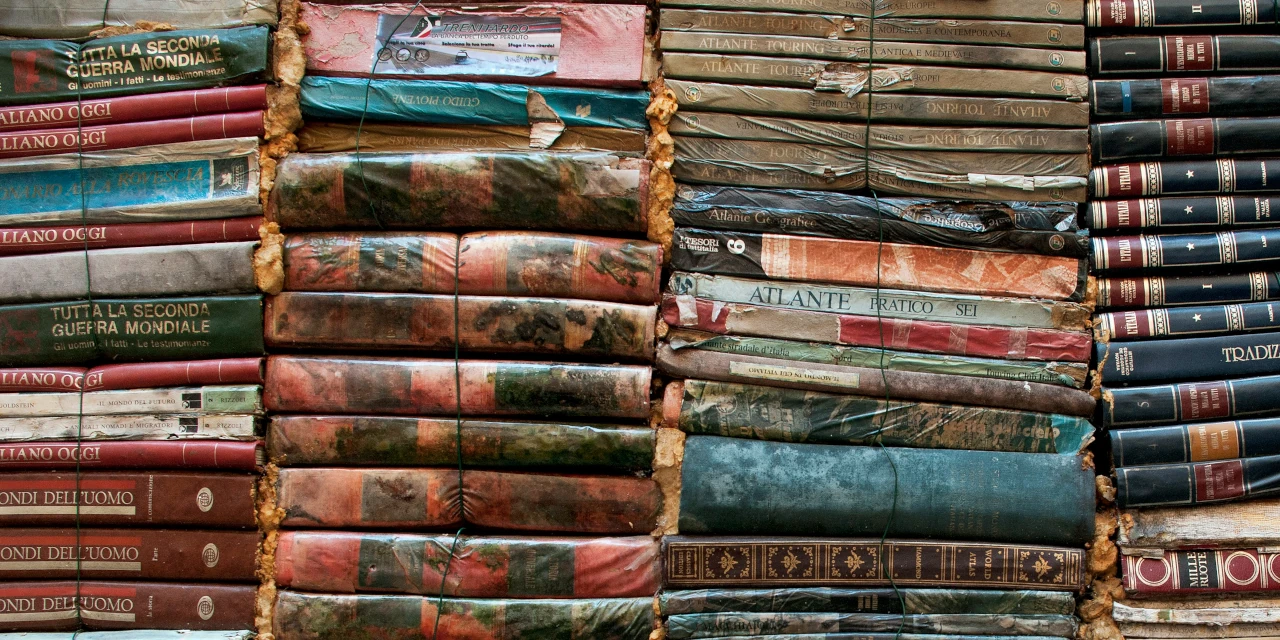
Collecting vintage books is much more than just a hobby-it’s an immersive journey into the past, a celebration of the written word, and an appreciation for craftsmanship. Whether you’re captivated by the scent of aged paper, the elegance of antique bindings, or the intriguing stories tucked away in marginalia, the act of collecting vintage books opens up an entire world of discovery and nostalgia.
This comprehensive guide delves into the fascinating history of vintage books, the motivations behind the collector’s passion, how to spot truly valuable editions, and the best ways to begin your own vintage collection. Additionally, it provides a curated list of resources to help you navigate the enchanting and often complex world of antiquarian literature.
A Rich History of Vintage and Rare Book Collecting
Book collecting has deep roots that stretch back to antiquity, when scribes and scholars in ancient Alexandria amassed texts on papyrus scrolls. However, it wasn’t until the invention of the printing press by Johannes Gutenberg in the mid-15th century that books became more accessible and collectible by a wider population.
Renaissance and Early Collecting
During the Renaissance, collecting books became a symbol of intellectual refinement. Wealthy patrons and aristocrats commissioned elaborately bound manuscripts and printed volumes. This era saw the rise of incunabula (books printed before 1501), which are among the most coveted vintage books today. These early printed works, often painstakingly hand-bound and richly illuminated, continue to fascinate collectors, especially in the UK, where significant collections can be found in institutions like the British Library [link: https://www.bl.uk/].
The Private Press Movement
In the late 19th century, the Arts and Crafts Movement led to the formation of private presses such as the Kelmscott Press, founded by William Morris. These presses emphasised quality, artistry, and limited editions, often hand-bound with ornate typography and illustrations. The Kelmscott Press remains one of the most influential private presses in the history of bookmaking, and books from this press are highly sought after by collectors. You can explore more about this iconic press at the William Morris Society [link: https://williammorrissociety.org/].
Modern Collecting
In the 20th century, interest in collecting first editions, signed copies, and historically significant works grew. The market expanded to include:
- Modernist and Beat literature
- Children’s classics (e.g., first editions of Winnie the Pooh or The Velveteen Rabbit)
- Science fiction and pulp novels
- Ephemera and banned books
If you’re interested in exploring more modern book collections or finding rare editions, the Antiquarian Booksellers’ Association (ABA) [link: https://www.aba.org.uk/] offers a wealth of information and resources for collectors in the UK. The association hosts fairs and events that feature valuable first editions, signed books, and more.
For a more comprehensive look at the history of rare book collecting, the Grolier Club [link: https://www.grolierclub.org/], based in New York, provides an extensive timeline and resources on the development of rare book collecting.
Why People Collect Vintage Books
1. Historical and Cultural Significance
Vintage books are more than just texts-they are invaluable historical artifacts. A 19th-century cookbook or a travel guide from the 1930s can provide fascinating insights into the daily lives, attitudes, and cultural values of its time. Collecting these books offers a unique way to understand the past, from social norms to technological advancements. For those interested in British history, works such as The Domesday Book or Victorian travel narratives offer a rich tapestry of historical context, and collections from the British Museum [link: https://www.britishmuseum.org/collections] can provide deep dives into such treasures.
2. Aesthetic Appreciation
The design of vintage books has evolved significantly over the centuries, and many collectors are drawn to the beauty of these works as much as to their content. Elements such as:
- Hand-bound leather covers with intricate gold tooling
- Marbled endpapers
- Engravings, lithographs, and hand-coloured illustrations
These design features elevate books into works of art, which are often appreciated not only for their literary value but also for their visual appeal. For collectors keen on British craftsmanship, Rivière & Son, a renowned bookbinding company, is a name to know for exquisite, hand-crafted bindings [link: https://www.riviereandson.com/].
3. Intellectual Curiosity
Many collectors focus on a specific niche, such as 18th-century medical texts, feminist literature, or early science fiction. This scholarly angle makes collecting vintage books a deeply rewarding intellectual pursuit. For those with a particular interest in British authors or movements, the Modernist Society [link: https://www.modernist-society.org/] offers resources for collectors of modernist works from authors like Virginia Woolf, James Joyce, and T.S. Eliot. Exploring a niche not only builds a distinctive collection but allows collectors to dive deeper into the cultural and intellectual currents of their chosen field.
4. Financial Investment
Vintage books with historical significance or cultural value often appreciate over time, making them a potentially lucrative investment. First editions from literary giants such as James Joyce or Toni Morrison can fetch five- or six-figure sums at auction. If you’re looking to explore book collecting as an investment, the Sotheby’s Auction House [link: https://www.sothebys.com/en/categories/books-and-manuscripts] regularly holds rare book sales, offering rare editions that can provide insight into the financial potential of investing in vintage books.
5. Personal and Sentimental Value
Books have a unique way of becoming emotional time machines. Many collectors seek out books from their childhood, family heirlooms, or titles tied to meaningful moments in their lives. For example, a first edition of a childhood favourite or a book passed down from a grandparent can hold deep personal significance. In the UK, collectors often cherish editions of beloved works from authors like Enid Blyton or A.A. Milne, which carry with them both nostalgia and emotional resonance. For a curated selection of sentimental vintage books, Hay-on-Wye (known as the “town of books”) [link: https://www.hayfestival.com/] offers a delightful destination for both the passionate collector and those seeking emotionally significant volumes.
What Makes a Book “Vintage”?
The term vintage typically refers to books that are between 50 and 100 years old, though the precise definition can vary based on the book’s subject matter and the market context. In the world of book collecting, the term is often used to describe works that are not only aged but also rare, significant, or well-crafted.
Key Factors That Influence Value:
- Edition and Printing: First editions, particularly first printings, are among the most desirable. A book’s first edition marks its original release, and in some cases, the first printing within that edition can make a significant difference in value. Books from authors like George Orwell or Agatha Christie are prime examples of titles where the first edition can command a high price. Collectors often look for books that have unique printing details, such as limited runs or special bindings. For more on identifying first editions, check out The Antiquarian Booksellers’ Association [link: https://www.aba.org.uk/].
- Condition: The condition of a book plays a crucial role in determining its value. Books that are in pristine condition, ideally with their original dust jackets intact, are typically worth more than those that show signs of wear, such as torn pages or faded covers. Proper care and storage are key to preserving a book’s condition, and there are numerous resources, including The Society of Bookbinders [link: https://www.societyofbookbinders.com/], that can help collectors maintain their treasures.
- Provenance: Provenance refers to a book’s ownership history, and books that once belonged to notable figures or have a significant ownership lineage can be much more valuable. For example, a book that was once owned by a famous writer or a prominent historical figure can dramatically increase in worth. Collectors can research a book’s provenance through auction records or library archives, such as the National Art Library at the Victoria and Albert Museum [link: https://www.vam.ac.uk/info/national-art-library].
- Scarcity: Books that were produced in limited quantities, withdrawn from publication, or even banned during certain periods are often more collectible. For example, books that were banned or challenged for their content, like works by D.H. Lawrence or books from the 1960s counterculture movement, tend to be rare and highly sought after. For those interested in rare or banned books, the British Library’s Rare Books and Manuscripts [link: https://www.bl.uk/subjects/rare-books] section offers an excellent overview.
For a more detailed explanation of book classifications and terminology, refer to the ABAA Glossary [link: https://www.abaa.org/glossary].
Where to Find Vintage Books
1. Independent Bookstores
Independent bookstores, particularly those that specialise in rare and used books, are excellent places to discover hidden gems. These stores often have knowledgeable staff who can guide you in finding vintage and collectible books. In the UK, several reputable independent bookshops cater specifically to collectors:
- Henry Sotheran (London) – One of the oldest antiquarian bookshops in the world, offering a range of rare books [link: https://www.sotherans.co.uk/].
- The Antiquarian Book Centre (Edinburgh) – Specialising in antiquarian and rare books, they have a fantastic selection of titles from British literary history [link: https://www.abcbooks.co.uk/].
- Shakespeare and Company (Oxford) – An independent bookshop with a strong focus on rare, second-hand, and vintage books, particularly those by or about British authors [link: https://www.shakespeareandcompany.co.uk/].
2. Online Marketplaces
Online marketplaces are a convenient way to access a wide range of vintage books, offering extensive inventories from various sellers. Here are some reputable platforms to explore:
- AbeBooks – A global marketplace with a vast selection of rare, vintage, and collectible books [link: https://www.abebooks.co.uk/].
- Biblio – Specialising in rare books and offering a wide selection of independent sellers [link: https://www.biblio.co.uk/].
- Alibris – Another excellent platform for finding rare and collectible books [link: https://www.alibris.co.uk/].
- eBay – While eBay can be a great place for bargains, always vet sellers carefully and review product details thoroughly to ensure authenticity.
3. Library Sales and Estate Auctions
Libraries often hold annual book sales that feature rare and collectible books. Additionally, estate sales can be an excellent source of vintage books, particularly if you’re willing to spend time sorting through boxes and shelves. A few places to explore:
- EstateSales.net – A platform listing estate sales across the UK and US, where collectors can find vintage and rare books [link: https://www.estatesales.net/].
- Bonhams Rare Books Auction – A renowned auction house that regularly holds rare book auctions in the UK [link: https://www.bonhams.com/auctions/].
- Heritage Auctions – Known for their high-quality auctions, including rare books and manuscripts [link: https://www.ha.com/].
4. Antiquarian Book Fairs
Antiquarian book fairs offer the opportunity to see vintage books firsthand, interact with dealers, and build connections within the collecting community. Here are some notable fairs in the UK:
- York National Book Fair – A major event for collectors of rare and vintage books in the UK, featuring dealers from all over the world [link: https://www.yorkbookfair.com/].
- London International Antiquarian Book Fair – One of the largest and most prestigious rare book fairs in the UK, held annually in London [link: https://www.oliverwinstanley.co.uk/].
- Bath Antiquarian Book Fair – Held in the charming city of Bath, this fair brings together dealers with a focus on rare and vintage books [link: https://www.bathbookfair.org.uk/].
How to Begin Collecting Vintage Books
1. Define Your Focus
The first step in building a vintage book collection is to define your focus. What excites you about collecting books? Starting with a specific area of interest will guide your journey and make the process more enjoyable. Some ideas for a focused collection include:
- Specific Author: Collect works by a beloved author, such as Agatha Christie or Virginia Woolf. First editions or rare printings of their works are often highly sought after.
- Literary Genre: If you’re passionate about a particular genre, like Gothic horror, you could collect novels from authors such as Mary Shelley, Bram Stoker, or H.P. Lovecraft.
- Time Period: Focusing on books from a certain historical period, such as World War II-era publications, can give your collection a unique angle.
- Publisher or Imprint: Many collectors are drawn to books from renowned publishers like Penguin Classics or Everyman’s Library, which are known for their beautiful editions and high-quality printing.
By narrowing your focus, you’ll be able to concentrate on finding meaningful additions to your collection. The Antiquarian Booksellers’ Association (ABA) [link: https://www.aba.org.uk/] is an excellent resource to help you get started and find dealers who specialise in specific genres or authors.
2. Learn the Language of Collecting
Understanding the language of book collecting is essential for evaluating listings and distinguishing between different book conditions. Some important terms to familiarise yourself with include:
- Foxing: Age-related spots or stains on paper, often brownish in colour.
- Deckle Edge: A rough-cut edge of a page, which can be a sign of a hand-crafted book or an older edition.
- Ex-library: A book that was previously owned by a library and may have stamps, labels, or markings that affect its value.
For a comprehensive glossary of book terms, visit the International League of Antiquarian Booksellers (ILAB) [link: https://www.ilab.org/], which offers resources for beginners and seasoned collectors alike.
3. Assess Condition and Authenticity
The condition of a book significantly impacts its value, so it’s essential to carefully assess the physical state of each item before purchasing. Key factors to look for include:
- Original Dust Jacket: If the book comes with its original dust jacket, this can greatly increase its value, especially if the jacket is in good condition.
- Intact Spine and Binding: Ensure that the spine is sturdy and the binding is intact. A book with a broken spine or loose pages is generally worth less.
- No Missing or Loose Pages: Ensure that all pages are present and secure, as missing pages can diminish a book’s value.
Minimal Writing or Highlighting: Collector-grade books are typically free of markings, although annotations or marginalia can add historical value in some cases.
For high-value books or those you may be uncertain about, consider seeking a professional appraisal. Organisations like the British Antique Dealers’ Association (BADA) [link: https://www.bada.org/] can connect you with accredited appraisers who can help authenticate and assess rare books.
4. Track Your Collection
As your collection grows, it’s important to keep track of the books you acquire. Digital cataloguing tools are an excellent way to stay organised and maintain a comprehensive inventory. Some options include:
- Libib: A free app for cataloguing your books, with options to upgrade for more advanced features [link: https://www.libib.com/].
- LibraryThing: Another popular option for organising collections, allowing you to track books by title, author, and edition [link: https://www.librarything.com/].
- Custom Spreadsheets: If you prefer a more personalised approach, you can create your own spreadsheet with fields to record important information, such as edition, price paid, condition, and provenance.
Tracking your collection not only helps you stay organised but also assists in valuing your books for insurance or resale purposes.
Essential Resources and Communities
Recommended Reading and Tools
- Fine Books & Collections: This magazine is a go-to for collectors, featuring articles on rare books, collecting trends, and interviews with industry experts. It’s a valuable resource for anyone serious about vintage book collecting. [Link: https://www.finebooksmagazine.com/]
- Rare Book School: Offers comprehensive workshops on topics such as book history, binding techniques, and preservation. These courses are ideal for those who want to deepen their understanding of rare books and the art of book collecting. While based in the US, Rare Book School has a global following, and some of their courses are accessible online. [Link: https://rarebookschool.org/]
- The Book Collector: A respected journal for bibliophiles, this publication covers a wide range of topics, including book auctions, rare book markets, and collector profiles. It’s an essential read for anyone with a serious interest in book collecting. [Link: https://www.bookcollector.co.uk/]
Online Communities
- Reddit r/printSF: A vibrant community for collectors of vintage science fiction books, where enthusiasts share information, rare finds, and recommendations for first editions, authors, and publishers in the genre. [Link: https://www.reddit.com/r/printSF/]
- Reddit r/books: A broader community for general book discussion, with occasional threads dedicated to book collecting, rare editions, and preservation tips. [Link: https://www.reddit.com/r/books/]
- Facebook Book Collecting Groups: There are numerous Facebook groups dedicated to book collecting, where collectors can discuss their collections, exchange tips, and buy or sell vintage books. Some groups to check out include “Vintage Book Collectors” and “Rare Book Collectors UK.”
For UK-based collectors, the Bibliographical Society [link: https://www.bibsoc.org.uk/] is an excellent organisation that brings together collectors, scholars, and enthusiasts of rare books. They offer seminars, publications, and networking opportunities.
Final Thoughts
Collecting vintage books is not just a hobby-it’s a journey through history, literature, art, and personal discovery. Each book you collect tells a story, whether it’s a cherished childhood edition, a rare first printing, or a significant work of literature. As your collection grows, so too does your connection to the past, with each find offering a unique glimpse into a different time, place, and culture.
You don’t need to be an expert or a high-level investor to begin your collection. All you need is curiosity, patience, and a willingness to learn. Over time, your collection will not only grow in value but in sentimental and intellectual richness, reflecting your evolving interests and passions.
Start with one book. The rest will follow – and along the way, you may find that the journey itself is just as rewarding as the books you discover.
Leave a Reply