
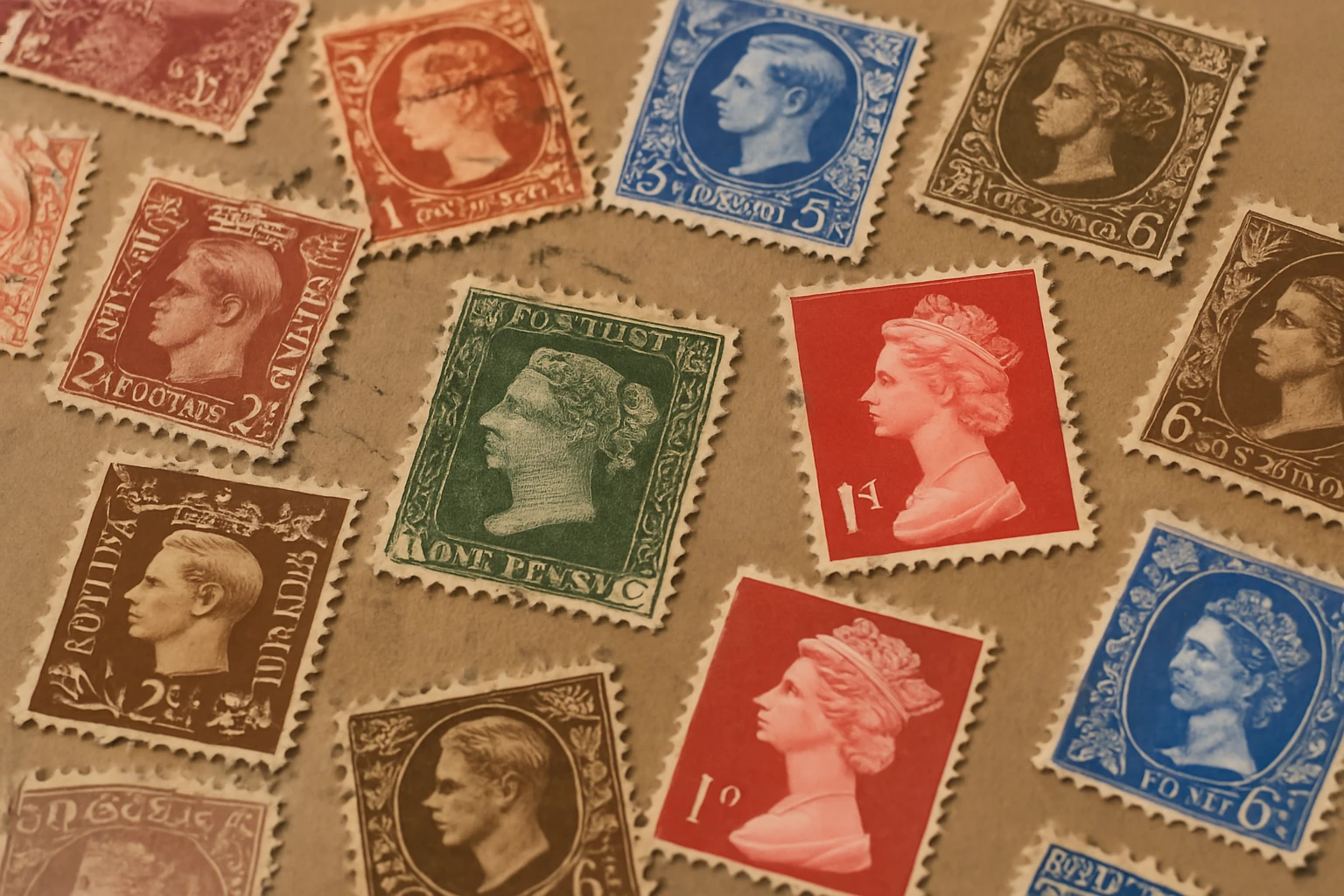
Vintage stamps collecting is far more than just a leisurely pastime-it’s a journey through time, culture, and history. Each stamp is a miniature masterpiece, a tangible piece of the past that once carried messages across continents and generations. From the regal elegance of early British monarchs to the quirky charm of printing errors that became legendary, vintage stamps offer a unique window into the stories of our world. Whether you’re starting your first collection, revisiting a childhood hobby, or dusting off a long-forgotten album tucked away in the attic, vintage stamps collecting has something for everyone. This guide will walk you through the essentials-helping you build your knowledge, avoid common pitfalls, and discover the lasting joy of this fascinating and rewarding pursuit.
What is Vintage Stamps Collecting?
Vintage stamps collecting is the art of sourcing, identifying, and preserving postage stamps from earlier periods-typically those issued before the 1970s. These stamps may no longer serve their original postal function, but they carry significant historical, cultural, and often artistic value. Each vintage stamp is a fragment of history. Some mark national milestones, commemorate world events, or reflect the design trends and printing techniques of their time. Others feature prominent figures-from monarchs and explorers to wartime heroes-capturing the spirit and identity of their era in a single, compact image. Collectors of these stamps are known as philatelists, and their interests vary widely. Some specialise in a particular monarch’s reign, such as Queen Victoria or King George VI, while others focus on themes like wartime correspondence, British colonies, transport, or natural history. Many UK collectors also seek out iconic issues such as the Penny Black, the world’s first adhesive postage stamp, or search for rare printing errors and overprints that have become legends in their own right. While many collect purely for enjoyment, others view vintage stamps as a scholarly pursuit or a long-term investment. Reputable catalogues like the Stanley Gibbons Stamp Catalogue and resources from the Royal Philatelic Society London offer guidance on identification, value, and provenance. Vintage stamps collecting is a blend of passion, patience, and curiosity-a hobby that evolves with you over time and offers new discoveries at every turn.
Why Vintage Stamps Collecting is Still Relevant Today
In an era dominated by instant messaging and digital communication, one might assume that postage stamps have faded into obscurity. Yet vintage stamps collecting not only endures-it thrives. Across the UK and beyond, collectors continue to be drawn to the timeless charm and rich substance of this unique pursuit. Here is why it remains so relevant today:
A Slice of History
Every vintage stamp tells a story. From the reigns of British monarchs to the rise and fall of empires, each issue is a physical record of the political, social, and technological shifts of its time. For example, stamps issued during King George VI’s reign offer insights into wartime Britain, the transition from empire to Commonwealth, and the resilience of postal services during global conflict. Collecting these stamps is like piecing together a visual timeline of twentieth-century history.
Artwork in Miniature
Many vintage stamps are tiny works of art. Before the rise of automated printing, stamps were often hand-engraved or lithographically printed, resulting in intricate, finely detailed designs. These miniature illustrations showcase a range of styles-from the formal motifs of the Victorian period to the bold aesthetics of the post-war era. Collectors appreciate not only the visual appeal but also the craftsmanship and printing methods, many of which are no longer used today.
Investment Potential
Although not every stamp is valuable, some vintage issues have appreciated significantly over time. The British Guiana 1c Magenta, for example, remains one of the most valuable stamps ever sold at auction. In the UK, trusted platforms like the Stanley Gibbons Marketplace and Grosvenor Philatelic Auctions offer expert valuations and sales support. For collectors with a good eye, stamps can form part of a well-rounded alternative investment portfolio.
A Rewarding and Mindful Hobby
Beyond potential financial returns, vintage stamps collecting is a deeply rewarding and intellectually engaging hobby. It encourages research, organisation, and critical thinking, while also offering a calming, screen-free way to unwind. Whether you are meticulously cataloguing a new acquisition or tracing the historical context of an old issue, collecting vintage stamps invites you to slow down and explore the world in a more thoughtful and deliberate way.
How to Start Vintage Stamps Collecting in the UK
If you are new to vintage stamps collecting, the good news is it is easy to begin-no expensive equipment or specialist knowledge required. With a bit of guidance, you can quickly build a meaningful and enjoyable collection. Here are the essential steps to get started:
1. Decide What to Collect
Stamp collecting is highly personal, and there is no right or wrong way to approach it. Many collectors choose to focus their collections based on:
- Country – For example, British stamps only, or former British colonies.
- Era – Such as Victorian, Edwardian, or early 20th century issues.
- Theme – Popular themes include animals, royalty, transport, space, or architecture.
- Type – Some collectors specialise in printing errors, overprints, first day covers, or postal history.
You do not need to define your focus immediately. Many collectors begin with a general mix, then narrow their interests as their knowledge and preferences develop.
2. Find a Starter Collection
The best way to start is by purchasing a mixed lot or beginner’s album. These often contain a variety of stamps across countries and periods, providing a valuable learning base.
- Where to look: Local antiques fairs, charity shops, car boot sales, and community auctions can yield interesting finds. Online platforms like eBay UK and Delcampe also offer affordable lots for beginners.
- What to avoid: Be cautious of high-priced individual stamps until you are confident in valuing and identifying them. Avoid anything that seems too good to be true or lacks proper description.
- Consider reputable dealers: Signing up to mailing lists from established UK sellers like Buckingham Covers or Strand Stamp is a great way to access curated selections, special offers, and early alerts for new releases.
3. Join a Stamp Club or Society
Connecting with other collectors can vastly improve your experience and knowledge. In the UK, several long-standing organisations offer resources, networking, and events:
- The Royal Philatelic Society London – The oldest philatelic society in the world, offering lectures, exhibitions, and an expertisation service.
- British Philatelic Federation – A hub for UK-based clubs and exhibitions.
- Philatelic Traders’ Society – A trade association representing trusted dealers and promoting ethical philately.
These groups often run local meetings, stamp fairs, and competitions, helping you grow your collection with confidence and support.
4. Learn How to Handle and Store Stamps
Proper handling and storage are crucial to maintaining the condition and value of your stamps:
- Use stamp tongs rather than fingers to prevent creasing or staining.
- Store your collection in acid-free albums or stock books with plastic sleeves made from safe materials like polyester or polyethylene.
- Keep stamps in a cool, dry place away from sunlight, humidity, and extreme temperatures.
- Use protective mounts for mint (unused) stamps to avoid gum damage or curling.
5. Understand Stamp Values
Part of the excitement in vintage stamps collecting lies in understanding what makes a stamp more or less valuable. Key factors include:
- Condition – Mint condition stamps or those with light, clear postmarks are typically more valuable.
- Rarity – Stamps with small print runs, withdrawn issues, or known printing errors are often highly sought after.
- Demand – Certain themes or figures, like Queen Elizabeth II, tend to attract more interest from collectors.
To assess a stamp’s value, consult trusted sources such as the Stanley Gibbons catalogues or search for second-hand editions on eBay. Stanley Gibbons also provides valuation services and auction results, helping you track market trends.
Common Mistakes to Avoid
As with any hobby, there are a few pitfalls that beginners in vintage stamps collecting can easily fall into. Being aware of these common mistakes can help protect your collection and ensure a more rewarding experience from the outset.
Overpaying Early On
It is tempting to dive in and start buying eye-catching stamps with impressive descriptions or high price tags. However, many new collectors overpay for items they later find are common or overhyped.
- Start small – Build a basic collection with inexpensive mixed lots before investing in rarer items.
- Do your research – Learn to recognise genuine value. Resources like the Stanley Gibbons catalogue and price comparisons on eBay UK can help you assess what a stamp is truly worth.
- Watch out for fakes – Counterfeit or altered stamps are more common than you might expect. Until you gain experience, buy only from reputable sellers or dealers affiliated with the Philatelic Traders’ Society.
Improper Storage
Stamps are delicate by nature and can easily be damaged through incorrect handling or storage.
- Never use scrapbooks, glue, or tape – These can cause irreversible damage.
- Avoid paper clips or rubber bands – They may bend, tear, or discolour stamps over time.
- Invest in proper storage – Use stock books, albums with acid-free pages, or archival-quality stamp mounts to protect your collection from moisture, dust, and fading.
Ignoring Postmarks
New collectors often focus solely on mint stamps, assuming they are more valuable. However, postmarks can significantly enhance a stamp’s historical interest and uniqueness.
- Look for clear, readable cancellations – They can indicate dates, locations, or special events.
- Explore postal history – Covers (envelopes with stamps and postmarks) can offer insights into how mail travelled, especially during wartime or through now-defunct postal systems.
- Join a philatelic society – Groups like the Royal Philatelic Society London can help you understand the importance and context of postmarked items.
Where to Buy Vintage Stamps in the UK
Finding quality vintage stamps is easier than ever thanks to a mix of established dealers, online platforms, and local events. Here are some trusted places to begin or expand your collection in the UK:
Stanley Gibbons
One of the most respected names in philately, Stanley Gibbons has been trading since 1856 and offers everything from individual stamps to complete collections. Their website includes a marketplace, valuation services, catalogues, and expert advice. Based on the Strand in London, they also operate regular auctions and a retail showroom.
Buckingham Covers
Known for its range of high-quality first day covers, commemorative issues, and curated stamp sets, Buckingham Covers is a great resource for collectors looking for themed or event-specific stamps. They offer subscription services and limited edition releases with verified authenticity.
Universal Philatelic Auctions
Universal Philatelic Auctions runs regular auctions and sells worldwide stamps, with a strong focus on British Commonwealth issues. Their auction catalogues are free and user-friendly, making them ideal for new and seasoned collectors alike.
Local Antiques Fairs and Stamp Shows
You can often find hidden gems at local fairs, flea markets, and dedicated stamp exhibitions. These in-person events allow you to inspect stamps up close, negotiate prices, and get advice from fellow collectors. To find upcoming events near you, check the Philatelic Traders’ Society Events Calendar, which lists stamp fairs, dealer events, and exhibitions across the UK.
Useful Tools and Resources
Having the right tools and resources will help you care for your collection properly, identify rare finds, and connect with the wider community of collectors. Here are some essential items and platforms every vintage stamps collector should consider:
Magnifying Glass
A high-quality magnifying glass is vital for examining fine print, spotting small flaws, checking postmarks, and detecting forgeries. Look for one with at least 5x–10x magnification. Some collectors also use a jeweller’s loupe for greater precision.
UV Lamp
Many modern and vintage stamps include hidden details such as fluorescent inks, tagging, or watermarks that can only be seen under ultraviolet light. A UV lamp is essential for authenticating stamps and detecting repairs or alterations.
Perforation Gauge
Perforations-the small holes separating individual stamps-are a key identifier. A perforation gauge helps you measure the number of perforations per 2cm, which is often used to distinguish between similar-looking issues.
Stamp Tongs
Although not always mentioned, stamp tongs (not regular tweezers) are an essential tool. They allow you to handle stamps safely without causing creases, tears, or oil stains from fingers.
Online Communities
Connecting with other collectors can greatly enhance your knowledge and enjoyment of the hobby. These online communities are excellent places to ask questions, identify stamps, and share your collection:
- Stampboards – A large, active forum covering global stamp topics, ideal for both beginners and advanced collectors.
- r/philately – A friendly subreddit where users share finds, ask for help, and discuss philatelic news.
Whether you are identifying a rare issue or seeking advice on storage, these communities offer support and camaraderie for collectors at every level.
Final Thoughts on Vintage Stamps Collecting
Vintage stamps collecting offers a uniquely rewarding combination of art, history, and curiosity. Each stamp is a small but powerful piece of the past-capturing moments in time, cultural shifts, and stories waiting to be discovered. Whether your interest lies in beautifully engraved monarchs, rare overprints, or postal artefacts from decades past, collecting stamps can be both educational and deeply personal. It is a hobby that evolves with you-offering quiet satisfaction, lifelong learning, and, occasionally, the excitement of a rare and valuable find. The best way to begin is simply to start. Build your collection slowly, join a community, and immerse yourself in the stories each stamp tells. With time and curiosity, you might just stumble upon a hidden gem tucked away in a forgotten envelope or a local fair. Happy collecting-and welcome to the world of vintage stamps.

Leave a Reply