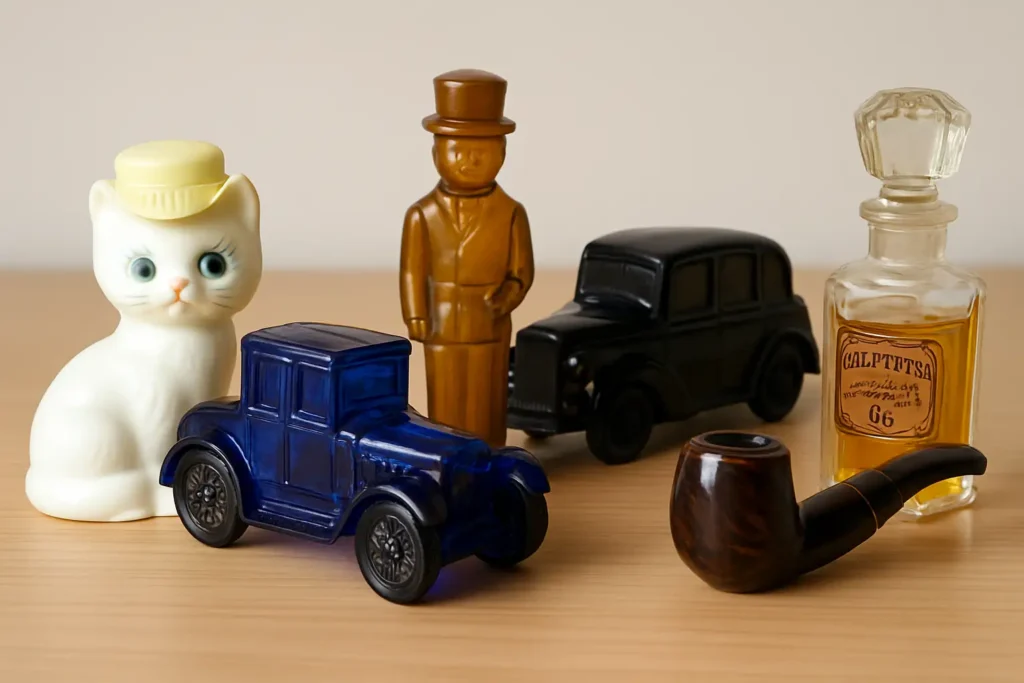
Vintage Hello Kitty items are some of the most recognisable and sought-after collectibles in the world. This guide explores history, authenticity, values, and care specifically for UK collectors.
Quick Summary
- What it is: “Vintage Hello Kitty” usually refers to Sanrio merchandise produced between the mid-1970s and the late 1990s, including vinyl coin purses, plush, stationery, ceramics, and limited regional editions. Items from this era are distinct from mass-produced 2000s reproductions.
- Why collectors care: Scarcity, nostalgic connection, and the global influence of kawaii culture make these pieces highly desirable. Hello Kitty’s enduring brand power also creates stable demand across generations and markets.
- How to spot authenticity: Look for period-correct Sanrio copyright lines (e.g., “©1976 Sanrio”), country of manufacture (“Made in Japan” on earlier pieces), and packaging details. Material quality – heavier vinyl, denser plush stuffing, or aged paper stock – often distinguishes genuine vintage from modern reissues.
- UK market values:
- Entry level (£20–£50): common stationery, loose plush, and ceramics with light wear.
- Mid-tier (£100–£400): boxed vinyl purses, early ceramics, or Gift Gate exclusives in very good condition.
- High-end (£1,000+): pristine 1970s items with original packaging, rare collaborations, and regional limited editions. Exceptional provenance can push values higher at auction.
Tip: Values fluctuate – check Bonhams and Christie’s toy and pop-culture sales for recent benchmarks, and monitor collector forums for private sale trends.
Brief History & Context
Hello Kitty was created in 1974 by designer Yuko Shimizu for the Japanese company Sanrio. Initially intended as a decorative character for small accessories, Hello Kitty made her first appearance on a simple vinyl coin purse in 1975. The character quickly transcended her role as a stationery mascot to become a global cultural icon, embraced by children and adults alike. By the early 1980s, Sanrio had established international distribution networks, with Hello Kitty products reaching the UK through department stores, toyshops, and later through specialist kawaii retailers.
Today, collectors refer to items produced between the 1970s and 1990s as vintage Hello Kitty. This period is marked by high-quality Japanese manufacturing, charmingly simple designs, and a pre-digital marketing era that relied heavily on physical toys, ceramics, and school accessories. The UK played a notable role in Hello Kitty’s globalisation, as British schoolchildren embraced Sanrio stationery alongside local brands, cementing Hello Kitty’s status as both a Japanese and international phenomenon.
The enduring appeal of vintage Hello Kitty lies not just in nostalgia but also in what it represents: the export of Japanese kawaii (cute) culture, which has since influenced fashion, music, and contemporary art. For many, collecting is a way to reconnect with their childhood, while others treat Hello Kitty as part of a broader pop culture canon, similar to Barbie, Star Wars, or Pokémon collectibles. Academic institutions such as the Victoria and Albert Museum have recognised this cultural significance, highlighting kawaii culture in exhibitions on Japanese design.
Timeline of Key Milestones
- 1974: Hello Kitty is designed by Yuko Shimizu and introduced by Sanrio.
- 1975: First vinyl coin purse released, now among the most collectible Hello Kitty items.
- Late 1970s: Expansion into a wide range of merchandise, including stationery and plush; UK imports begin appearing in department stores.
- 1980s: Introduction of ceramic kitchenware and collaborations with European distributors; Hello Kitty becomes a staple in UK toyshops.
- 1990s: Sanrio diversifies into fashion, cosmetics, and collaborations with designers, creating limited-edition collectibles that remain highly sought after.
- 2000s onwards: A nostalgia-driven wave of collecting spreads in the UK and US, fuelled by online auction platforms such as eBay UK and specialist forums.
Collector’s tip: Early UK-distributed Hello Kitty items often carried dual-language packaging or additional import stickers. These can help trace provenance and increase value compared to generic export stock.
Identification & Dating Guide
Correctly identifying and dating vintage Hello Kitty items is crucial for both value assessment and avoiding costly mistakes. Many reissues and reproductions exist, so collectors should combine material checks, logos, packaging, and provenance to build confidence in an item’s authenticity.
Materials & Construction
- Vinyl: Early purses and bags (1970s) used heavy, slightly stiff vinyl with stitched or heat-sealed edges. Authentic vinyl shows light surface wear with age but should not feel overly glossy or thin. Later 1990s reproductions often have a plasticky sheen and lighter weight.
- Plush: 1970s–1980s plush toys used denser cotton-based stuffing and sometimes felt appliqué eyes and whiskers. By the 1990s, Sanrio moved to softer polyester fillings and embroidered facial details, which are less prone to detachment but signal later manufacture.
- Ceramics: Early mugs, plates, and teapots were heavier earthenware or ceramic with transfer decals. By the late 1980s, lighter porcelain became common. Chips and crazing can indicate genuine age, but beware artificially “aged” fakes.
- Stationery: 1970s paper stock shows natural age toning and has a matte, slightly rough finish due to offset printing. Modern reprints often look bright white and smooth, with digitally printed colours. Authentic vintage notebooks often have browned staples or light foxing on edges.
Marks, Logos & Packaging
Sanrio’s copyright and country-of-origin markings are among the most reliable ways to date items. Packaging is particularly important, as original boxes, backing cards, and swing tags often carry production years and codes. Serious collectors maintain catalogues of logo variations to compare against potential purchases.
| Mark/Feature | Years | Notes |
|---|---|---|
| “Sanrio Co., Ltd.” without copyright symbol | 1974–1976 | Earliest production run, pre-copyright standardisation. Extremely scarce. |
| “© 1976 Sanrio” | 1976 onwards | Introduced after international copyright expansion; very common on UK-imported goods. |
| “Sanrio Japan” oval sticker | Late 1970s | Applied to vinyl and plush packaging. Often missing, but residue can confirm age. |
| “Made in Japan” paper tags | 1970s–early 1980s | Transitioned to “Made in China” and “Made in Taiwan” from mid-1980s, indicating later production. |
| Holographic Sanrio authenticity stickers | Mid-1990s onwards | Introduced to combat counterfeiting; not present on true 1970s–1980s vintage. |
Dating Checklist
Use this five-step checklist to quickly estimate the age of a Hello Kitty collectible:
- Check the copyright line: Early items (pre-1976) may lack the © symbol. From 1976 onwards, most carry © with the year.
- Look for country of manufacture: “Made in Japan” = 1970s–early 1980s; “Made in China/Taiwan” = mid-1980s onwards.
- Assess material weight and finish: Heavier, denser materials usually indicate older manufacture.
- Examine packaging: Simple matte cards and swing tags suggest 1970s–1980s; glossy laminated packaging appears in the 1990s.
- Cross-check: Compare with Sanrio catalogues or reliable collector databases such as Sanrio’s official archives or UK-based collector forums.
Collector’s tip: If an item shows “Made in China” but claims to be 1970s, treat with caution – China production didn’t begin until the mid-1980s. Similarly, holographic stickers are a sign of later production, not true vintage.
Notable Makers, Marks & Variants
Although Sanrio directly produced most Hello Kitty items, licensing and regional distribution created subtle but important differences that can affect desirability and value. Understanding these variations helps collectors identify rarer runs and avoid confusing authentic imports with later reissues.
- Sanrio Japan (1970s–1980s): The original manufacturer and most prestigious source of vintage Hello Kitty. Items from this period usually carry “Sanrio Co., Ltd.” or “© Sanrio” marks alongside “Made in Japan” tags. Packaging was often minimalist, with simple card tags or boxes. Because they were made in smaller production runs, these are considered the most collectible and often command premium prices.
- Sanrio USA (1980s–1990s): Established to serve the growing American and European markets. While authentic, these items sometimes feature packaging tailored for English-speaking audiences, including larger fonts and safety warnings. Differences can be subtle such as the colour tone of box printing or added barcode stickers but they help date products to export runs. Collectors usually prize Japanese editions more highly, though USA-labelled versions still retain strong value.
- Sanrio Gift Gate (Japan): Sanrio’s own chain of branded shops in Japan often released store-exclusive merchandise. These “Gift Gate exclusives” included seasonal ranges (e.g. Christmas plush), regional designs, or event-specific items. Their limited distribution makes them highly desirable on the secondary market. UK collectors often source these through auction sites like eBay UK or Japanese proxy services.
- Collaborations (1990s onwards): The 1990s saw an increase in partnerships with cosmetic, fashion, and stationery companies. Limited-edition runs with brands such as MAC Cosmetics or ANA Airlines were produced in smaller numbers and aimed at adults as much as children. These cross-branded items often feature subtle co-branding marks and can achieve 3–5× the value of regular lines.
- UK Import Variants: By the early 1980s, major UK retailers like Hamleys and WHSmith stocked Hello Kitty products. UK-imported versions sometimes carried bilingual labels or additional importer stickers for safety compliance. Though not unique in design, these variants can add provenance value for collectors interested in the UK’s role in Hello Kitty’s globalisation.
Collector’s note: Gift Gate exclusives and collaboration pieces are often counterfeited. Always verify packaging details, and when possible, compare with documented catalogues such as those in V&A Museum’s Japanese design collections or official Sanrio archives.
Condition, Grading & Restoration
Condition is the single most important factor affecting the value of vintage Hello Kitty. Collectors and auction houses often apply a grading scale similar to those used in the toy and comic markets. For consistency, many UK sellers also follow terminology aligned with Christie’s and Bonhams condition reports.
- Mint: Factory-fresh with no flaws. Packaging must be intact, clean, and unfaded. Even a slight dent to a box will usually downgrade from Mint to Near Mint.
- Near Mint: Very light handling with only minor packaging wear such as a faint crease or shelf rub. Contents should remain pristine.
- Very Good: Some signs of careful use, such as minor paint loss on ceramics or light creases on stationery. Still highly collectible.
- Good: Moderate wear – fading, dust staining, or minor stitching loss on plush. Retains display appeal but value may be halved compared to Near Mint.
- Fair/Poor: Heavy wear, repairs, missing accessories, or severe fading. Typically purchased for nostalgia rather than investment.
Restoration considerations: Restoration can stabilise fragile pieces (such as re-gluing a ceramic handle), but it almost always reduces resale value unless fully documented and disclosed. Ethical collectors should clearly note any repairs when reselling. In some cases, such as stabilising paper or replacing degraded foam inserts, restoration may be acceptable to preserve long-term integrity.
Do/Don’t Checklist
- Do: Store plush in acid-free tissue paper or cotton bags to prevent yellowing and fibre breakdown.
- Do: Use padded, compartmentalised boxes for ceramics to avoid movement and chipping.
- Do: Place stationery in archival-grade protective sleeves, ideally acid-free polypropylene, and keep out of direct light.
- Don’t: Use chemical cleaners on vinyl or plastics, these can strip surface inks or cause sticky residue. Use only a lightly dampened microfiber cloth if necessary.
- Don’t: Expose items to prolonged sunlight, which accelerates fading of dyes and paper yellowing.
- Do: Maintain stable indoor conditions: 18–22°C with 45–55% humidity is considered safe for mixed-material collections. Avoid lofts and garages where fluctuations are common.
Collector’s tip: Always photograph your collection at its current condition grade. This creates a reference point for insurance and helps track whether environmental factors are causing deterioration over time.
Fakes, Reproductions & Red Flags
The popularity of Hello Kitty has unfortunately led to a thriving counterfeit market, particularly online. While some reproductions are openly marketed as “retro-style,” others are mis-sold as authentic vintage. UK collectors should be especially cautious on global marketplaces where seller verification can be limited.
- Misspelt labels: Counterfeiters often copy Sanrio logos poorly. Watch for small discrepancies such as “Sanrioo,” “Sanr10,” or missing copyright lines. Authentic tags are consistent in font and alignment.
- Material and odour test: Genuine 1970s vinyl has a denser feel and a mild, aged scent. Modern plastics often smell strongly of chemicals. If a plush smells overwhelmingly synthetic, it is likely later or fake.
- Stitching and bow placement: Original plush toys feature symmetrical stitching and carefully placed bows. Off-centre bows, uneven seams, or loose threads are strong indicators of reproduction.
- Colour saturation: Vintage stationery naturally shows age toning and slight ink fading. If colours are overly bright, glossy, or pixelated, this may suggest an inkjet reprint passed off as vintage. Check for dot-pattern printing typical of the 1970s–1980s.
- Too-good-to-be-true pricing: Genuine vintage Hello Kitty is rarely cheap. Items listed on online marketplaces for a fraction of their usual value, especially without provenance or photos of tags, should be approached with extreme caution. Remember the adage: if it looks too good to be true, it usually is.
- Packaging giveaways: Counterfeit packaging may lack barcodes, have misspellings, or show anachronistic details (e.g., QR codes on items supposedly from the 1980s). Authentic vintage packaging was usually simpler, matte-finished, and occasionally bilingual for UK imports.
- Fake “limited editions”: Some sellers create faux “Gift Gate exclusives.” Verify any special edition claim against catalogued releases on Sanrio’s official archive or collector forums.
Collector’s tip: Always ask for detailed photographs of labels, packaging, and close-ups of stitching before purchasing online. For higher-value pieces, consider using UK-based authentication services or auction house specialists who can verify provenance.
Red flag: Some UK buyers report counterfeit Hello Kitty items being sold at car boot sales and flea markets labelled as “Japanese imports.” While these venues can produce bargains, they also carry risk – buy only if you can examine the item closely and trust your instincts.
Buying Guide (UK)
Where to Buy
The UK market for vintage Hello Kitty is vibrant but fragmented. Collectors often combine traditional auction routes with modern online platforms and specialist shops.
- Auction houses: Bonhams and Christie’s occasionally feature Sanrio and pop culture memorabilia in their toy or design sales. These venues provide professional cataloguing, which reduces authenticity risk.
- UK toy fairs: Events in London, Birmingham, and Manchester often include stands with Japanese imports and kawaii collectibles. Fairs allow in-person inspection, which is invaluable for spotting quality and authenticity.
- Online platforms: eBay UK remains a primary source, but due diligence is essential. Look for sellers with long-standing positive feedback, detailed photos of tags, and clear return policies.
- Independent dealers: Some vintage shops in London’s Camden Market, Brighton’s Lanes, and Manchester’s Northern Quarter stock kawaii and Sanrio memorabilia. Specialist dealers may also be found through collector forums or Instagram.
- Japanese proxy services: For rare Gift Gate exclusives, many UK collectors use proxy bidding services to access Yahoo! Japan Auctions. Factor in shipping costs, customs charges, and potential delays.
Negotiation & Provenance
Provenance – the documented history of an item – significantly boosts trust and value. Collectors should request:
- Original receipts or invoices from Sanrio or UK retailers like WHSmith or Hamleys.
- Photographs of the item in use from the correct era (e.g. a family snapshot from the 1980s showing a child with the toy).
- Export or import labels, especially for Gift Gate exclusives shipped to the UK.
Provenance can add 10–30% to value, particularly at auction. Reputable UK dealers often issue written guarantees or offer return periods. When negotiating, be polite but firm: asking about provenance shows seriousness and often encourages sellers to disclose more detail.
Pricing Psychology
Collectors should understand why certain features command higher prices:
- Packaging: Original packaging can double or triple value. A boxed 1970s coin purse might fetch £300 compared to £120 unboxed.
- Scarcity: Regional exclusives or limited collaborations (e.g. Japan-only releases) can achieve five times the value of standard lines.
- Condition: Upgrading from “Good” to “Near Mint” can raise value by 50–70%. Small flaws such as sun-fading drastically reduce desirability.
- Timing: Prices often spike around anniversaries or media events. The Hello Kitty 50th anniversary (2024) saw renewed interest and record prices at auction.
Collector’s tip: Set a personal ceiling price before bidding at auction or online. Emotional attachment can lead to overspending, especially on nostalgic items.
Values & Price Ranges
Valuing vintage Hello Kitty requires balancing nostalgia-driven demand with market evidence. Prices can shift quickly based on cultural events, media exposure, or limited supply hitting the market. While no guide can replace a professional valuation, the following ranges represent common UK benchmarks as of the mid-2020s.
- Entry (£20–£50): Widely available items such as loose plush, stationery sets, or ceramics showing light wear. These are often found at toy fairs, vintage shops, or online auctions. Entry-level items offer an affordable way to start collecting but typically have limited investment upside unless tied to a specific year or design.
- Mid (£100–£400): Includes boxed vinyl coin purses, early 1980s ceramics in very good condition, or plush toys with original swing tags. This range is where most serious UK collectors operate, balancing rarity with accessibility. Values are strongest when packaging is intact or provenance can be verified. A boxed 1980s mug, for instance, may fetch £250 compared to £60 unboxed.
- High (£1,000+): Reserved for the rarest and most pristine items – such as 1970s vinyl purses in Mint condition with packaging, Gift Gate exclusives, and high-profile collaborations. Prices at this tier can vary widely: some early Japanese-only releases have achieved £2,000–£3,000 at auction, particularly when coinciding with Hello Kitty anniversaries or global exhibitions. Provenance (e.g. original receipt or catalogue reference) can add a further premium of 20–30%.
UK collectors should note that eBay UK tends to show the lower end of these bands, while specialist auctions and private sales often push towards the higher end. International demand, especially from Japan and the US, also influences prices, desirable items may be snapped up by overseas buyers before they even reach UK hands.
Collector’s tip: Keep an eye on cultural anniversaries (e.g. Hello Kitty’s 50th in 2024). Such milestones often spark renewed demand and short-term price spikes in the UK and abroad.
Care, Storage & Insurance
Preservation is critical for maintaining both the value and longevity of vintage Hello Kitty items. Because these collectibles span multiple materials – vinyl, fabric, ceramics, and paper – each requires tailored care. Many high-value items are lost to poor storage rather than use, so preventive measures are worth the investment.
- Handling: Use cotton gloves when possible to prevent oils from your hands transferring onto vinyl or paper items. Plush can be handled carefully without gloves, but ensure hands are clean and dry.
- Display: Use UV-filtering display cases or cabinet glass to prevent sun fading. Plush toys are especially vulnerable to discolouration, and ceramics can suffer glaze fading under direct light. Avoid displaying items in south-facing windows.
- Packaging: Keep original packaging stored separately in acid-free boxes or sleeves. In many cases, the box or swing tag alone can account for 30–50% of an item’s value. Always handle packaging gently, as creases or tears significantly reduce grading scores.
- Environmental control: Maintain stable conditions where possible – 18–22°C with 45–55% humidity is considered safe for mixed-material collections. Avoid lofts, garages, or basements where damp and temperature swings are common. Use silica gel packs in display cases to reduce moisture risks.
- Cleaning: Avoid chemical cleaners on vinyl or ceramics. A lightly dampened microfiber cloth is usually sufficient. For plush, gentle vacuuming with a low-suction nozzle through a mesh laundry bag can remove dust safely. Never submerge plush toys in water as dyes may bleed.
- Insurance: Obtain an appraisal from a recognised UK auction house or accredited valuer. Keep a detailed inventory with high-quality photographs, receipts, and condition notes. Many UK home insurance providers require items above a certain threshold (often £1,000 per piece) to be listed separately on your policy.
- Transport: When moving items to fairs or valuations, use padded containers and acid-free tissue wrapping. Always separate ceramics and plush to avoid cross-contamination of fibres and dust.
Collector’s tip: Digital backups matter too store scanned receipts, certificates, and appraisal documents in cloud storage for easy access if you ever need to make a claim.
Legal & Ethical Considerations
Collecting vintage Hello Kitty in the UK is generally low-risk from a legal perspective, but there are a few important areas where collectors should exercise caution. Beyond the law, ethical considerations such as authenticity, sustainability, and responsible collecting also matter in maintaining trust within the community.
- Import & export rules: Most Sanrio products are freely tradeable, but some early 1970s pieces used materials such as rare leather trims or chemical coatings that may now be restricted. When importing from Japan or the US, ensure customs declarations are correct and be prepared to pay VAT and duty on higher-value items. HMRC guidance on importing antiques and collectibles offers up-to-date rules for UK buyers.
- Trademark & copyright: Hello Kitty remains an active and protected trademark of Sanrio. Selling unlicensed reproductions or knowingly distributing fakes can expose UK sellers to legal action under trademark infringement laws. Collectors should only trade in genuine vintage or clearly labelled fan-made items, avoiding any suggestion of official affiliation.
- Consumer rights: Under UK consumer law, items sold as “vintage” must be accurately described. Misrepresentation – whether deliberate or careless – can give buyers legal recourse. Always provide clear descriptions and disclose flaws or repairs.
- Sustainability: Choosing genuine vintage items supports a circular economy, reducing demand for fast-fashion-style knock-offs. Ethical collectors avoid buying mass-produced “retro-style” goods in bulk, focusing instead on preserving authentic pieces for the long term.
- Cultural respect: Hello Kitty is part of Japan’s kawaii culture. Ethical collecting means respecting cultural origins and avoiding exploitative practices, such as hoarding or reselling at inflated prices without transparency.
Collector’s tip: When reselling, be transparent about condition, provenance, and whether an item has been restored. Ethical disclosure not only protects you legally but also builds trust and credibility within the UK collecting community.
Books, Museums & Resources
Serious collectors benefit from consulting both primary and secondary sources. These include museum collections, specialist books, and online communities where fellow collectors share knowledge, catalogues, and market trends.
- Victoria & Albert Museum – Holds Japanese design archives and has previously showcased exhibitions on kawaii culture, providing valuable cultural context for Hello Kitty’s place in design history.
- British Museum — Features Japanese cultural artefacts that help contextualise Hello Kitty within broader 20th-century pop culture trends.
- Sanrio Official Archive — Official product history, catalogues, and brand timelines. A useful benchmark for confirming release years and logo variations.
- Hello Kitty, Hello World (2012) — A richly illustrated book that chronicles Hello Kitty’s global influence, including product photography useful for comparison.
- Hello Kitty: The Remarkable Story of Sanrio and the Surprising Appeal of the Cute, White Cat (Christine R. Yano, 2013) — An academic exploration of Hello Kitty’s cultural and commercial significance.
- BP Fairs — Listings of major UK toy and collectors’ fairs where Hello Kitty memorabilia occasionally appears, offering hands-on opportunities to learn and buy.
- Collectors Universe Forums — While broader in scope, includes discussions on Sanrio and Japanese pop-culture memorabilia, with tips on authentication and pricing.
- Collecting Vintage Postcards — A related guide on our site, showing how paper-based collectibles are assessed and stored.
- Collecting Vintage Disney — Another internal guide offering comparisons between Disney and Hello Kitty collecting markets.
Collector’s tip: Join at least one online forum and one local UK collectors’ group. The combined expertise often uncovers fakes, verifies provenance, and keeps you updated on fair dates and auction listings before they hit the wider market.
FAQs
- How do I quickly tell if a vintage Hello Kitty is authentic?
- Start by checking the copyright line: early items from the 1970s often read “©1976 Sanrio” or carry “Sanrio Co., Ltd.” without a ©. Look for “Made in Japan” tags on older pieces, and examine materials – authentic vintage vinyl is heavier and less glossy than modern reproductions. Packaging also gives clues: simple matte card or paper swing tags suggest 1970s–1980s, while laminated glossy packaging usually dates to the 1990s and later.
- What affects value the most?
- Four main factors determine value:
- Condition: Mint and Near Mint examples are always more desirable, with even minor creases halving value.
- Packaging: Original boxes, swing tags, or stickers can double or triple prices.
- Rarity: Gift Gate exclusives, early Japan-only releases, and cross-brand collaborations are especially prized.
- Provenance: Documentation such as receipts, catalogue references, or family photographs adds confidence and can lift auction results by 20–30%.
- Where can I get an appraisal in the UK?
- Several options exist for collectors:
- Bonhams and Christie’s – occasionally run free valuation days for toys and collectibles.
- Specialist toy and pop culture dealers in London, Manchester, and Birmingham often offer informal valuations, especially if you intend to consign items for sale.
- For insurance purposes, a written valuation from an accredited valuer (e.g. a member of the Society of Valuers and Auctioneers) ensures your collection is properly covered.
- Is it worth buying modern “retro-style” Hello Kitty items?
- Modern retro-inspired releases are fun but should not be confused with true vintage. While they have decorative appeal, they rarely hold long-term value. If you are building a serious collection, focus on documented 1970s–1990s items instead.
- Do UK collectors need to worry about fakes?
- Yes, particularly on online marketplaces. Counterfeit plush and stationery are common. Always ask sellers for close-up photos of tags, stitching, and packaging, and compare with known authentic examples. When in doubt, buy from established dealers or at auction.
Glossary
- Kawaii: A Japanese cultural concept meaning “cuteness.” Central to Hello Kitty’s global appeal and reflected in design, marketing, and collecting culture.
- Provenance: The documented ownership history of a collectible, including receipts, catalogues, or photographs. Strong provenance increases value and trust in authenticity.
- Mint Condition: An item in factory-new state, showing no signs of use or wear. For vintage Hello Kitty, this often requires original packaging, swing tags, and unblemished surfaces.
- Gift Gate: Sanrio’s official chain of retail stores in Japan, known for releasing exclusive or regional Hello Kitty merchandise in limited quantities.
- Swing Tag: A small cardboard or paper tag attached to plush toys or accessories. Presence and condition of swing tags significantly influence value.
- COA (Certificate of Authenticity): A document confirming authenticity, usually provided for high-value collaborations or limited editions.
- Reproduction: A later reissue of a vintage design, sometimes officially licensed but not part of the original production run. Usually less valuable than true vintage.
- Foxing: Brownish spots or discolouration found on old paper, often seen in vintage stationery. Indicative of age but can reduce value if severe.
- Condition Grading: A structured system (Mint, Near Mint, Very Good, Good, Fair/Poor) used to assess an item’s state and market value.
- Limited Edition: A product run produced in restricted numbers, often tied to collaborations, anniversaries, or regional events. Typically more sought after.